What is Aluminium Profile Extrusion and Its Benefits for Buyers?
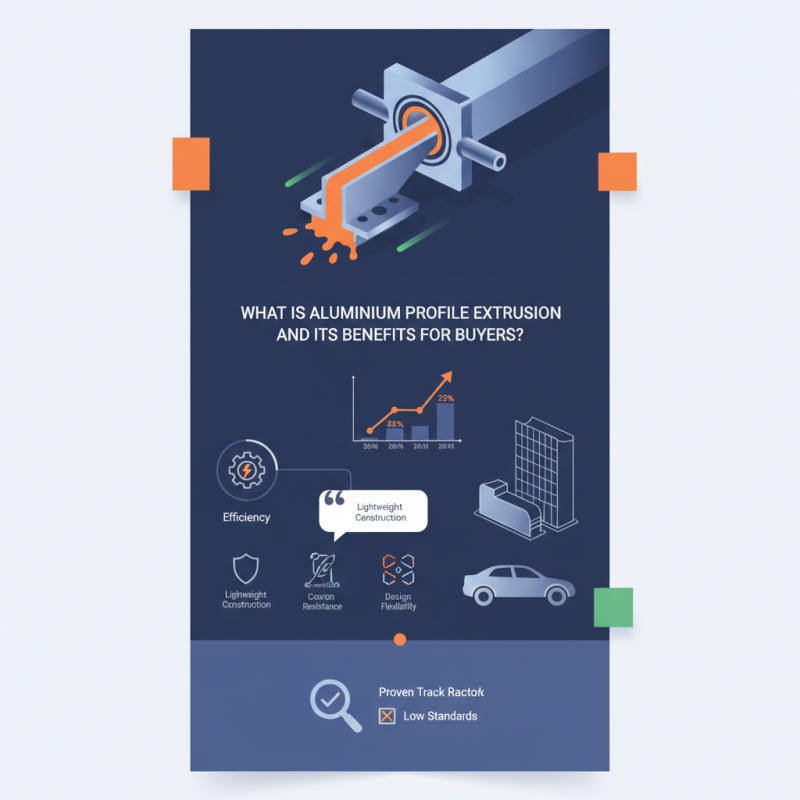
Aluminium Profile Extrusion is a key process in modern manufacturing. It involves shaping aluminium into desired profiles using heat and pressure. According to the Global Aluminium Extrusion Market report, the market is projected to grow at a CAGR of 5.5% from 2022 to 2027. This growth reflects increasing demand across various sectors like construction and automotive.
John Smith, an expert in the aluminium industry, states, “Aluminium Profile Extrusion not only enhances product strength but also improves efficiency.” This statement highlights the advantages of choosing aluminium profiles for buyers. Benefits include lightweight construction, corrosion resistance, and design flexibility.
Despite these benefits, challenges exist. Quality control remains critical. Not every extrusion company meets the highest standards. Buyers must conduct thorough research. They should choose providers with proven track records. This ensures reliability and satisfaction in their projects. The journey into Aluminium Profile Extrusion can be rewarding but warrants careful consideration.
What is Aluminium Profile Extrusion?
Aluminium profile extrusion is a manufacturing process that shapes aluminum into various forms. The process involves forcing heated aluminum through a die. This creates continuous lengths of specific profiles that can be cut to desired lengths. The versatility of aluminum makes it an ideal choice for numerous applications. Builders, designers, and manufacturers often favor it due to its lightweight yet sturdy nature.
One significant benefit of aluminium profile extrusion is its adaptability. Different shapes can be created easily to meet project requirements. For example, profiles can be manufactured with intricate designs, allowing for both functionality and aesthetic appeal. Moreover, aluminum’s corrosion resistance is an added advantage. It performs well in various environments, prolonging the lifespan of products made from it.
Tips: When considering aluminium profiles, assess your specific needs. Think about the weight requirements and environmental exposure. It's essential to choose the right design to maximize efficiency. Be mindful not to overlook possible installation challenges. Sometimes, a well-made profile may not fit into your workflow seamlessly. Always consider compatibility with existing structures.
The Process of Aluminium Profile Extrusion Explained
Aluminium profile extrusion is a manufacturing process that shapes aluminium by forcing it through a die. The result is a continuous piece of aluminium with a distinct cross-sectional profile. This method is favored for its efficiency and versatility. Various profiles can be created, catering to multiple industries like construction, automotive, and electronics.
The extrusion process begins with heating aluminium billets. Once heated, the billets are placed in a press, where they are pushed through a die. This creates the desired shape. After extrusion, the profiles are cooled and cut to the required lengths. This process ensures high precision and uniformity across products. However, achieving this precision often requires fine-tuning the die and the press settings, which can be challenging.
Tips for buyers include understanding the specific profile needed for your project. Not all extrusions are the same, and minor differences can significantly affect performance. Conducting thorough research on material properties is also critical. Remember that extruded profiles might need additional finishing processes, such as anodizing or powder coating, for optimal results. These can enhance aesthetics and durability. Seek out manufacturers who emphasize quality control, as this ensures compliance with industry standards. Buying from reliable sources minimizes risks and ensures satisfaction.
Key Benefits of Aluminium Profile Extrusion for Different Industries
Aluminium profile extrusion plays a crucial role across various industries. This manufacturing process transforms raw aluminium into lightweight, durable profiles, suitable for diverse applications. The global aluminium extrusion market was valued at around $30 billion in 2022, and it is projected to reach $36 billion by 2027. This growth highlights the material's importance in sectors like construction, automotive, and aerospace.
In the construction industry, aluminium extrusion offers aesthetic versatility and structural integrity. Buildings utilize these profiles for window frames, roofing systems, and cladding. Reports indicate that using aluminium can reduce energy consumption in buildings by up to 30%. In automotive applications, lightweight aluminium extrusions help improve fuel efficiency. The automotive sector aims for a 30% weight reduction in vehicles by 2030 to enhance performance and minimize carbon footprints.
Despite its advantages, challenges remain. Extrusion processes can lead to defects like warping or inconsistent thickness. Manufacturers must address these issues to ensure quality. Not all buyers may be aware of the necessary certifications for aluminium products, impacting their supply chain choices. Understanding these benefits can help businesses make informed decisions as they navigate the complexities of aluminium profile extrusion.
What is Aluminium Profile Extrusion and Its Benefits for Buyers? - Key Benefits of Aluminium Profile Extrusion for Different Industries
| Industry | Key Benefits | Applications |
| Construction | Lightweight, corrosion-resistant, and energy-efficient | Frames, windows, and façade systems |
| Automotive | Improved fuel efficiency and safety | Chassis components and structural elements |
| Aerospace | High strength-to-weight ratio | Aircraft frames and components |
| Electronics | Excellent thermal conductivity | Heat sinks and enclosures |
| Furniture | Versatile design options and durable finish | Table legs and frames |
Applications of Aluminium Profiles in Various Sectors
Aluminium profiles have become essential in various sectors due to their versatility and strength. In the construction industry, they are used for window frames, doors, and structural components. Their lightweight nature allows for easier transport and installation. Additionally, they offer great thermal efficiency, helping to reduce energy costs.
In the automotive sector, aluminium profiles provide crucial components for vehicles. They contribute to reducing overall weight, which can enhance fuel efficiency. Yet, manufacturers must be careful about the design to ensure safety. Precision machining is vital to maintain the integrity of each part.
The electronics industry also utilizes aluminium profiles for casing and supports. These materials help dissipate heat effectively, which protects sensitive components. However, some challenges arise in the manufacturing process, such as ensuring consistent quality. Balancing cost and performance can be tricky in this competitive market.
Factors to Consider When Buying Aluminium Profiles
When purchasing aluminium profiles, several key factors impact buyer decisions. One significant consideration is the extrusion process. This process shapes aluminium into specific profiles, allowing for precision and versatility. Buyers should understand the implications of custom designs versus standard profiles. Custom profiles often provide better functionality but may have longer lead times.
Another aspect is the alloy selection. According to industry reports, around 80% of aluminium extrusion buyers choose 6061 and 6063 alloys for their excellent mechanical properties. The decision should reflect the intended use, as different alloys have varying strengths and corrosion resistance. A buyer focusing on outdoor applications might prioritize corrosion-resistant alloys.
Quality assurance is also crucial. Buyers should seek suppliers with certifications such as ISO 9001. This indicates a commitment to quality management. Effective communication with the supplier can uncover their processes and material sourcing. Lastly, considering the environmental impact of aluminium production plays an important role in modern purchasing decisions. Many companies are increasingly focused on sustainable practices. They prefer suppliers who use recycled materials. Engaging with various suppliers and assessing their offerings holistically can ultimately lead to better purchase decisions.