What is the Best Solar Panels for Home Use to Maximize Energy Savings in 2023
In the pursuit of sustainable energy solutions, homeowners are increasingly turning to solar panels for home use as a means to reduce their electricity bills and minimize their carbon footprint. According to the Solar Energy Industries Association (SEIA), the residential solar market has experienced unprecedented growth, with installations reaching an all-time high of 1.1 million systems in the United States alone in 2022. This surge reflects a growing recognition of the long-term savings potential of solar energy, as households can offset their energy costs significantly with the right solar panel system.
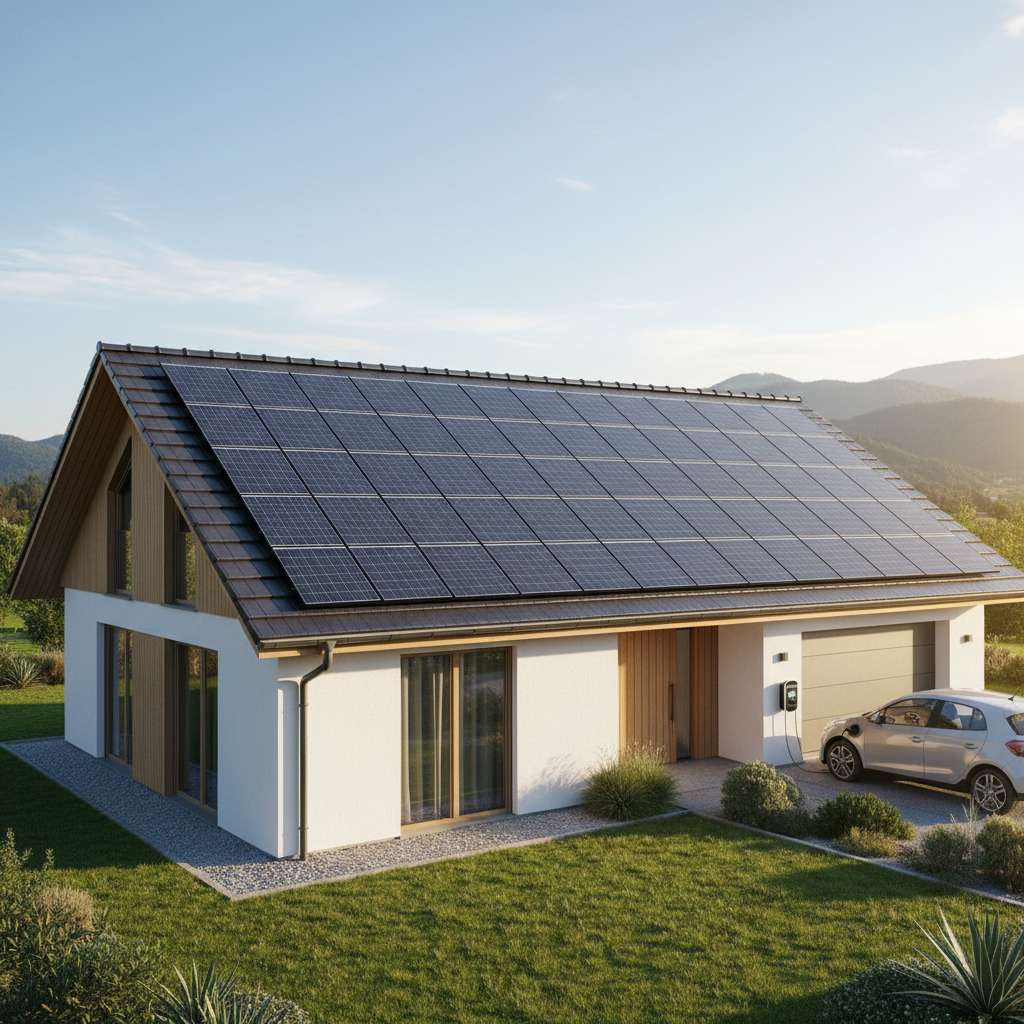
The best solar panels for home use are not just about maximizing energy production; they also need to be efficient and durable. Industry reports suggest that the average efficiency of solar panels has improved to around 20%, with top brands reaching efficiencies above 22%. Furthermore, advancements in technology and the competitiveness of the market have led to a decrease in costs by nearly 70% over the last decade, making solar energy a more accessible option for homeowners. By carefully selecting the right type of solar panels, homeowners can ensure they not only meet their energy needs but also contribute to a sustainable future.
Overview of Solar Panel Technology Advancements in 2023
In 2023, advancements in solar panel technology are driving significant growth in the renewable energy sector. The global transparent solar cells market is expected to reach $89.88 million by 2032, reflecting a compound annual growth rate (CAGR) of 18.40% during the forecast period. This surge is indicative of a growing interest in innovative solar solutions that blend seamlessly into architectural designs while providing efficient energy generation. As homeowners seek effective ways to maximize energy savings, these transparent solar cells can be integrated into windows and building materials, transforming everyday structures into energy-generating assets.
Another notable development is in thin-film photovoltaics, which is projected to hit USD 28.33 billion by 2030. This segment has become increasingly popular due to the rising demand for flexible and lightweight solar panels that can be applied in various environments. These panels offer cost-effective energy solutions and are particularly suited for residential use, as they can easily adapt to different installations and spaces. As the renewable energy landscape evolves, the focus on solar technology not only supports sustainable development but also enhances the feasibility of solar adoption in homes, setting the stage for a greener future.
Key Factors for Selecting Solar Panels for Maximum Energy Savings
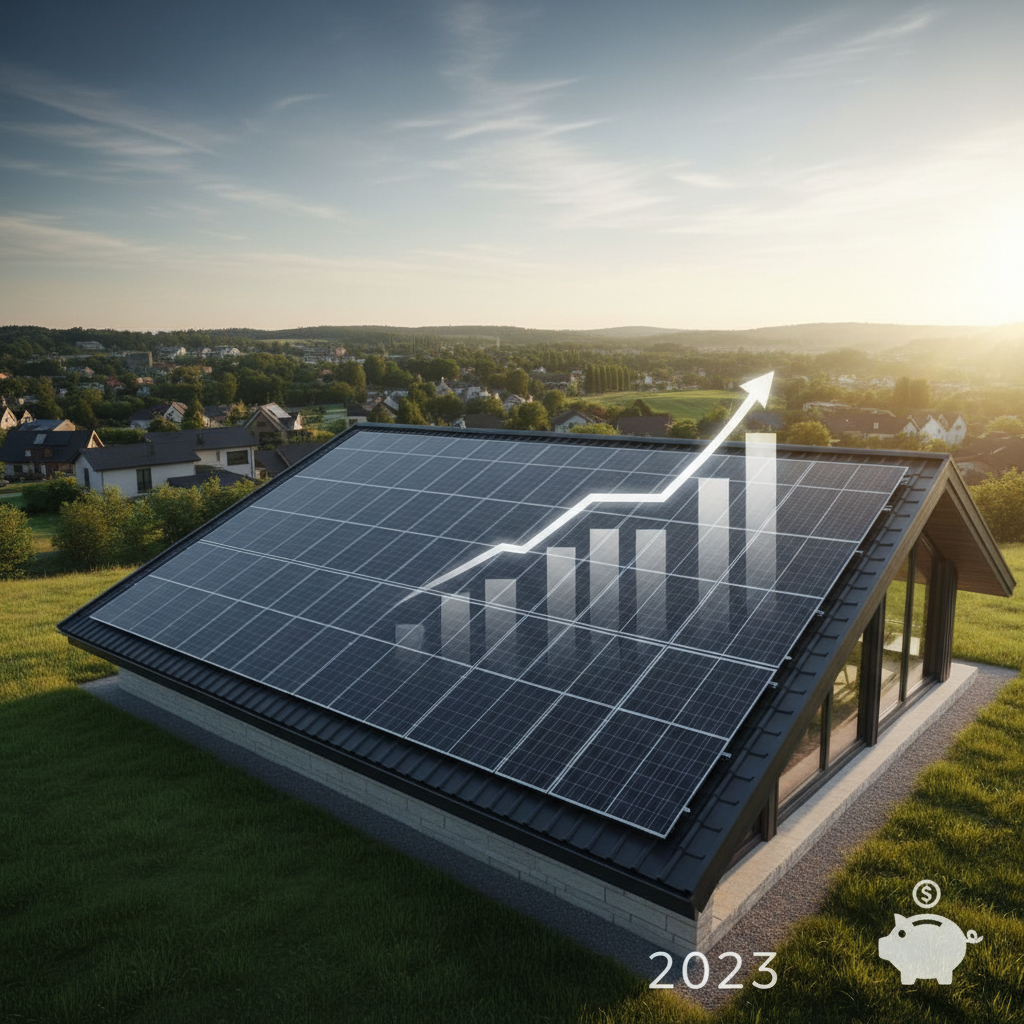
When selecting solar panels for home use to maximize energy savings in 2023, several key factors come into play. First, efficiency is crucial; the higher the efficiency rating, the more sunlight the panels can convert into usable electricity. Homeowners should look for panels with at least a 20% efficiency rating, as these tend to generate more power per square foot, making them ideal for smaller roofs or spaces with limited sunlight exposure.
Another important consideration is the panel's durability and warranty. High-quality solar panels often come with 25-year warranties, reflecting their longevity and reliability. Homeowners should assess the materials used in the panels, as those made from monocrystalline silicon typically offer better performance and durability compared to polycrystalline panels. Additionally, understanding the energy needs of your household can guide the selection process, ensuring that the chosen system matches specific consumption patterns and maximizes potential savings over time.
Top 5 Solar Panels for Home Use Based on Efficiency Ratings and Reviews
When it comes to selecting the best solar panels for home use in 2023, efficiency ratings and customer reviews are paramount. Based on recent market analyses, the top five solar panels stand out due to their exceptional conversion rates and user satisfaction. According to the National Renewable Energy Laboratory, solar panels with efficiency ratings exceeding 20% are increasingly popular among homeowners seeking to maximize energy savings. The LG NeON R, for instance, boasts an impressive efficiency of 22.0%, making it one of the most highly rated solar panels currently available.
In addition to efficiency, durability and warranty offerings play critical roles in the decision-making process. The SunPower A-Series panels, known for their robust construction and 25-year warranty, offer an efficiency of up to 22.8%, supported by Strong Reviews from both industry experts and users. Furthermore, recent data from Wood Mackenzie suggests that the market demand for high-efficiency panels is surging, with a projected growth of 30% in residential solar installations this year. These insights clarify that investing in top-rated solar technology not only ensures superior energy savings but also enhances the long-term value of homeowners' investments.
What is the Best Solar Panels for Home Use to Maximize Energy Savings in 2023 - Top 5 Solar Panels for Home Use Based on Efficiency Ratings and Reviews
| Panel Model |
Efficiency Rating (%) |
Power Output (W) |
Warranties (Years) |
Average Cost ($) |
| Panel A |
22.5 |
360 |
25 |
300 |
| Panel B |
21.4 |
340 |
25 |
280 |
| Panel C |
20.3 |
320 |
20 |
250 |
| Panel D |
19.7 |
310 |
20 |
230 |
| Panel E |
18.9 |
300 |
25 |
220 |
Cost-Benefit Analysis of Solar Panel Installation in 2023
When considering solar panel installation in 2023, a comprehensive cost-benefit analysis is essential to determine the potential savings and return on investment. The initial cost of solar panels ranges from $15,000 to $25,000 for an average residential system, depending on the size and technology used. However, homeowners can expect significant long-term savings on their electricity bills, with many systems paying for themselves within 5 to 10 years. Additionally, tax credits and local incentives can further offset upfront costs, making solar energy an increasingly attractive option.
Beyond the direct financial savings, installing solar panels also contributes to environmental sustainability, which is a crucial consideration for many homeowners. By reducing dependence on fossil fuels, solar energy lowers greenhouse gas emissions, positively impacting climate change. Furthermore, increased property values often accompany solar installations, enhancing the overall investment. Thus, evaluating both the financial and ecological benefits is vital for homeowners looking to make informed decisions about solar power in 2023.
Cost-Benefit Analysis of Solar Panel Installation in 2023
This chart illustrates the estimated cost savings over 25 years of solar panel installation in various regions, comparing the initial investment to potential savings.
Environmental Impact and Sustainability of the Best Solar Panels
The environmental impact and sustainability of solar panels have become increasingly important as the global renewable energy market continues to grow, projected to reach approximately $1.021 trillion in 2024. As homeowners seek ways to reduce energy costs and enhance sustainability, the choice of solar panels plays a crucial role. Advanced technologies are now making it possible to harness renewable energy in innovative ways, such as the deployment of the world's largest foldable solar roof in Switzerland.
This installation demonstrates the potential of utilizing existing industrial spaces to generate renewable electricity efficiently, showcasing the effectiveness of sustainable practices in real-world applications.
In addition to technological innovations, there is a growing awareness of how solar energy contributes to environmental restoration. By replacing fossil fuels with renewable energy sources, we not only reduce carbon emissions but also promote biodiversity and protect ecosystems. The ongoing advancements in solar technology, combined with the increasing capacity to integrate these systems into urban environments, are vital in shaping a sustainable future. Continued investment in renewable energy solutions will further enhance energy savings for homeowners while minimizing environmental footprints, aligning with global sustainability goals.