How to Choose the Best Solar Panel for Your Home in 2025
As we approach 2025, the demand for renewable energy solutions continues to surge, positioning solar panels as a pivotal element in the transition to sustainable living. According to the International Energy Agency (IEA), solar energy capacity is expected to triple by 2025, propelling solar panels to a forefront role in residential energy solutions. With advancements in technology, efficiency rates have seen significant improvements, making it imperative for homeowners to understand how to select the best solar panel for their specific needs.
Dr. Emily Chen, a renowned expert in solar energy technologies, emphasizes the importance of making informed choices when it comes to solar panels. She states, "The right solar panel can not only reduce your energy bills but also enhance the value of your home." This highlights that selecting the appropriate solar panel is not just about immediate benefits; it's a strategic investment in future energy savings and sustainability.
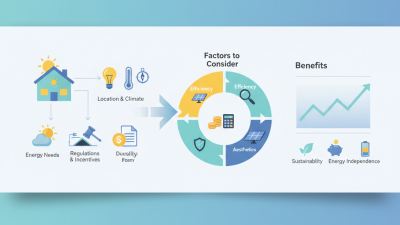
As homeowners navigate the landscape of solar panel options, understanding key factors such as efficiency, durability, and warranty coverage will be crucial for making the best decision. With reliable data and expert insights, 2025 presents an exciting opportunity for homeowners to invest in solar technology that meets their energy needs while contributing to a greener planet.
Understanding Your Energy Needs for Solar Panel Selection
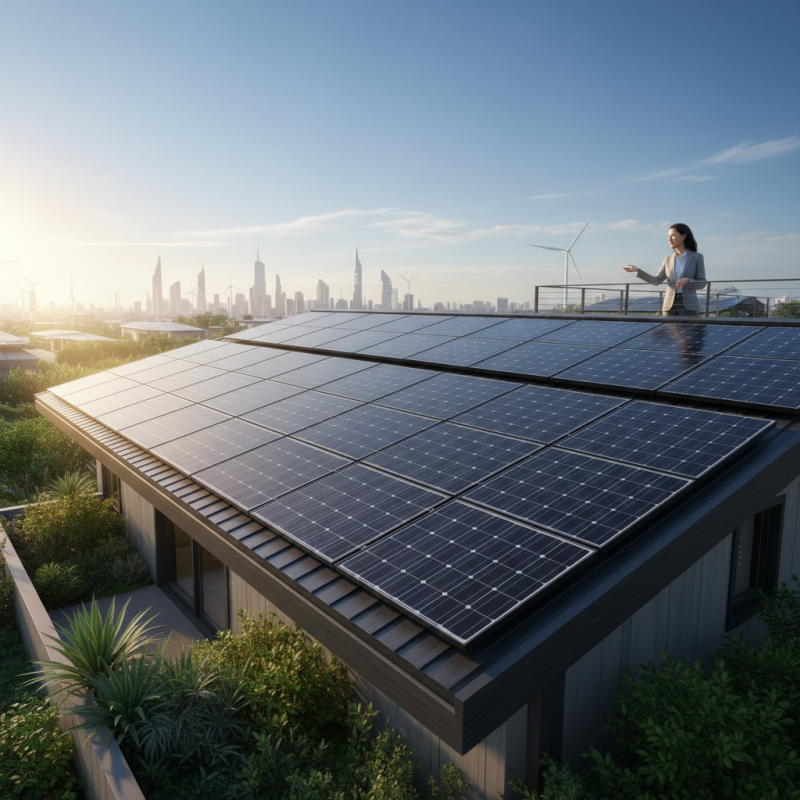
When selecting the best solar panel for your home in 2025, one of the most crucial steps is understanding your energy needs. A comprehensive assessment of your energy consumption habits will enable you to choose panels that align with your requirements and maximize efficiency. According to the U.S. Energy Information Administration, an average American household consumes about 877 kWh per month, translating to approximately 10,500 kWh annually. This estimate can serve as a baseline for determining the solar capacity needed to cover a significant portion of your energy usage.
Tips: Start by reviewing your past electricity bills to identify your monthly energy consumption. Consider seasonal variations, as some months will typically have higher usage than others. This information helps in calculating the size of the solar panel system required to meet or exceed your energy needs.
Moreover, evaluating your home's solar potential is essential. Factors such as roof orientation, shading from trees or buildings, and local climate conditions directly impact solar panel performance. According to the National Renewable Energy Laboratory, homes with optimal conditions can produce up to 20% more energy than those facing obstructions. Therefore, choose a location for your solar panels that receives maximum sunlight throughout the day to enhance productivity.
Tips: Use online solar calculators or consult with professionals to analyze your roof's solar potential and expected energy output. This preliminary research will guide you in selecting a solar panel system that not only fits your energy needs but also maximizes your investment in renewable energy.
Evaluating Different Types of Solar Panels Available in 2025
When selecting the best solar panel for your home in 2025, it's essential to evaluate the various types of solar panels available. The two primary categories are monocrystalline and polycrystalline panels. Monocrystalline panels are known for their higher efficiency and sleek appearance, as they are made from a single crystal structure. This makes them an excellent choice for homeowners with limited roof space, as they can generate more energy in a smaller area. Moreover, advancements in technology have led to improved performance in low-light conditions, making them a versatile option for different climates.
On the other hand, polycrystalline panels offer a more cost-effective solution, as they are manufactured from multiple crystal structures, resulting in slightly lower efficiency rates. However, they are generally less expensive to produce, which can significantly lower the initial investment for homeowners. In recent years, technological improvements have enhanced the durability and output of polycrystalline panels, making them a viable option for those looking to balance budget with sustainability. Additionally, emerging technologies, such as thin-film and BIPV (building-integrated photovoltaics), are gaining traction, providing even more choices for integrated energy solutions tailored to specific architectural needs.
How to Choose the Best Solar Panel for Your Home in 2025
| Solar Panel Type |
Efficiency (%) |
Cost per Watt ($) |
Warranty (Years) |
Ideal Application |
| Monocrystalline |
20-22 |
$0.80 - $1.20 |
25 |
Residential Rooftops |
| Polycrystalline |
15-18 |
$0.70 - $1.00 |
25 |
Larger Installations |
| Thin-Film |
10-12 |
$0.50 - $0.80 |
10-20 |
Non-Traditional Roofs |
| Bifacial |
20-24 |
$1.00 - $1.50 |
30 |
Ground-Mounted Systems |
Key Features to Consider When Choosing Solar Panels
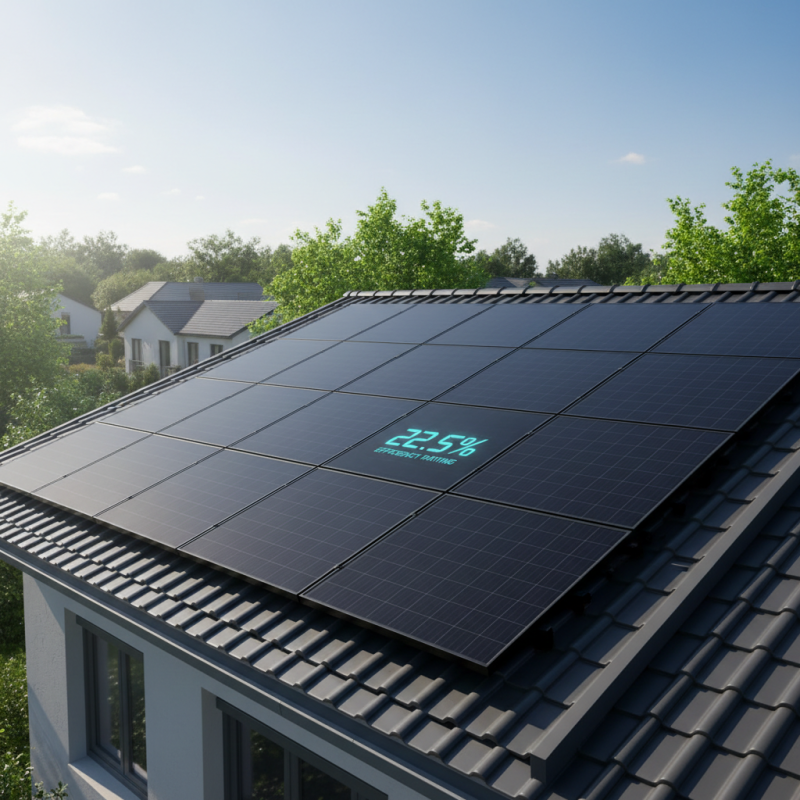
When choosing solar panels for your home in 2025, several key features should guide your decision-making process. First and foremost is efficiency, which represents how much sunlight a panel can convert into usable electricity. Higher efficiency ratings mean that the panels will generate more power in a given area, important for homes with limited roof space. Look for panels that offer at least 20% efficiency, as advancements in technology are likely to push these numbers even higher.
Another critical feature is durability and warranty. Solar panels are a significant investment, and selecting panels that come with robust warranties can provide peace of mind. A warranty of 25 years or more is preferable, indicating the manufacturer's confidence in their product. Additionally, consider the materials used in the construction of the panels, as high-quality components are essential for long-term performance and weather resistance. This is especially vital in regions that experience extreme weather conditions. Lastly, the aesthetic design of the panels may also play a role, as homeowners increasingly seek solutions that complement their property’s architecture while providing clean energy.
Comparing Solar Panel Efficiency and Warranty Options
When considering solar panels for your home in 2025, one of the key factors to evaluate is the efficiency of the panels. Solar panel efficiency refers to the percentage of sunlight that can be converted into usable electricity. Higher efficiency panels generate more energy in a smaller footprint, making them ideal for homes with limited roof space. It’s important to compare different efficiency ratings, as advancements in technology are continually improving the performance of solar panels. Look for panels that offer high efficiency ratings with consistent performance under varying conditions, such as low light or high temperatures.
In addition to efficiency, examining warranty options is crucial in your decision-making process. A solid warranty can provide peace of mind, ensuring that your investment is protected over time. Most reputable manufacturers offer warranties that cover performance and product quality, typically ranging from 10 to 25 years. Pay attention to the specifics of these warranties; some may guarantee a certain level of efficiency over the years, while others may cover defects in materials and workmanship. Understanding these terms can help you select a solar panel that not only meets your energy needs but also stands the test of time, offering reassurance against potential future issues.
Comparison of Solar Panel Efficiency and Warranty Options (2025)
Assessing Installation Costs and Long-term Savings of Solar Panels
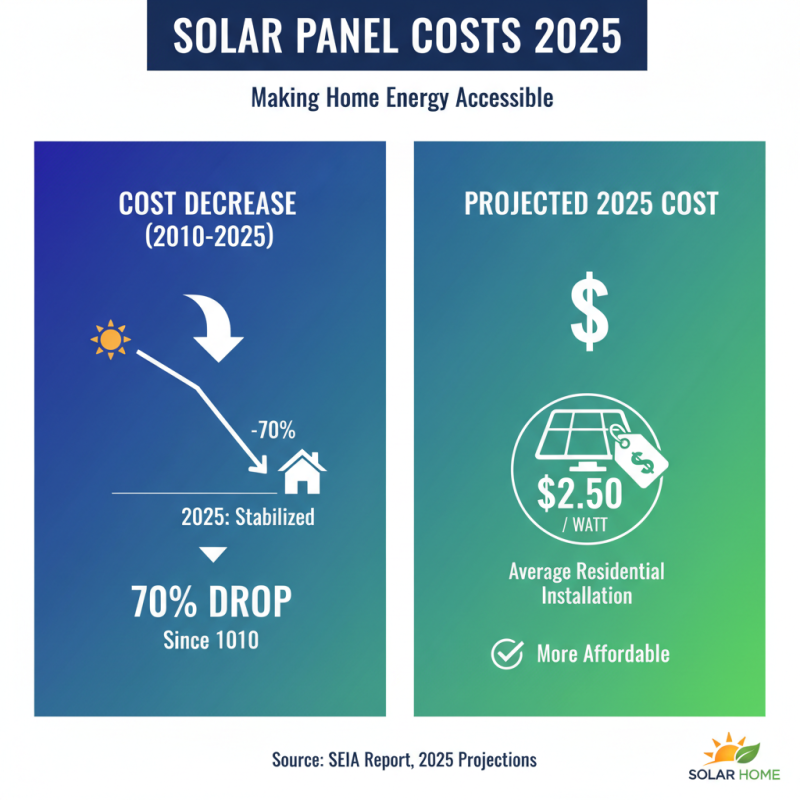
When considering solar panel installation for your home in 2025, understanding the costs involved and the long-term savings it can provide is essential. According to a recent report by the Solar Energy Industries Association, the average installation cost for residential solar panels has decreased significantly in the past decade, with prices dropping approximately 70% since 2010. By 2025, it is projected that the cost will stabilize at an average of $2.50 per watt, making solar energy more accessible for homeowners.
Moreover, the long-term savings associated with solar panels are becoming increasingly appealing. A study conducted by the National Renewable Energy Laboratory indicates that homeowners who invest in solar power can save an average of $15,000 to $20,000 over 20 years, depending on their energy consumption and local electricity rates. Additionally, many states offer incentives that can further reduce initial installation costs. By factoring in these financial benefits alongside the decreasing price of solar technology, homeowners are poised to make a sound investment with potentially significant returns. As cost-effectiveness continues to improve, choosing the right solar panel system will not only enhance energy independence but also contribute to substantial savings in the long run.