
How to Choose an Electric Trail Bike in 2026?

Choosing an Electric Trail Bike in 2026 requires more than comparing motor wattage or battery capacity. Real trail performance depends on geometry, suspension travel, tire grip, brake control, and service support.

Industry data shows why this category deserves careful attention. The German Bicycle Industry Association reported approximately 2.1 million e-bikes sold in Germany during 2023. E-bikes represented about 53% of the country’s bicycle market that year. PeopleForBikes also identifies electric bicycles as a major driver of cycling growth in the United States. However, market growth does not guarantee that every model fits every rider.

“E-bikes are the future of transportation,” says Chris Nolte, an e-bike industry expert and founder of Propel Electric Bikes. His point applies differently on a rocky trail. A commuter may value range and lighting. A trail rider may need predictable torque, a quiet motor, and a removable battery.

Start with your actual terrain. A 500Wh battery can feel sufficient on short, rolling loops. It may disappoint on steep climbs, cold mornings, or technical routes. Motor torque matters, but higher torque can also increase weight and tire wear. Suspension setup matters just as much.

Test the bike uphill.

Check the dropper post, reach, and brake feel. Confirm local service availability before buying. Independent testing and manufacturer specifications are useful, but neither replaces a real trail ride. Some advice is incomplete. Your ideal Electric Trail Bike may not be the fastest model; it may be the one you can control confidently after two demanding hours.
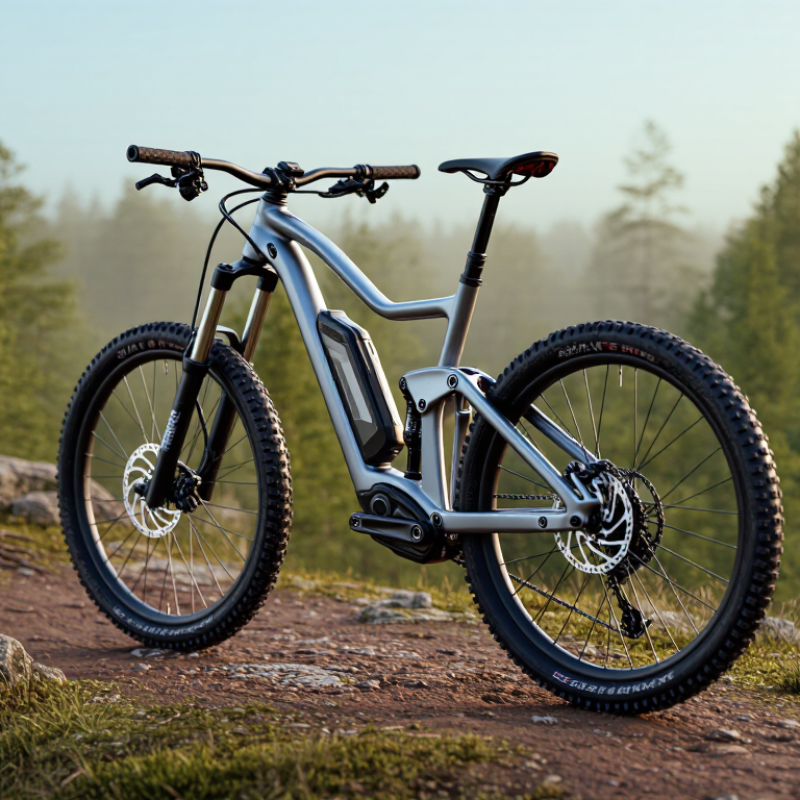
How to Choose an Electric Trail Bike in 2026?

Define Your Electric Trail Riding Goals and Terrain

Choosing an electric trail bike starts with an honest question: where will you ride most often? A rocky forest route demands different equipment from a smooth gravel path. I once chose a bike for its climbing power alone. My first estimate was wrong. It felt impressive uphill but awkward on tight, wet descents.

Walk through your usual terrain before comparing specifications. Loose stones, roots, steep switchbacks, and deep mud require stable geometry, controlled suspension, and dependable braking. For flatter trails, a lighter frame may feel more responsive and easier to carry.

Measure your typical ride length, elevation gain, and charging access. Battery range depends heavily on rider weight, tire pressure, temperature, and assist level.

Be specific about your riding goals. Do you want quiet exploration, technical practice, or long weekend routes? Riders seeking technical control may value balanced weight and strong low-speed handling. Riders covering distance may prefer a larger battery and efficient assistance.

I would test the bike on a familiar climb, then repeat the route with several assist settings. Small differences become obvious there. Check suspension setup, brake reach, and frame fit before judging power.

A powerful motor cannot fix poor control. Also, confirm trail access rules and safety requirements in your area. Measuring only peak performance is an easy mistake.

Compare Motor Power, Battery Range, and Charging Needs

Choosing an electric trail bike starts with motor power, but watts alone can mislead. A 250-watt motor may feel adequate on smooth forest paths, while steep, loose climbs demand stronger torque and controlled assistance. Check the motor’s continuous output, peak torque, and thermal behavior. Peak figures look impressive. They do not explain sustained climbing.

Battery capacity is measured in watt-hours (Wh). A 500 Wh battery theoretically supports twice the energy of a 250 Wh battery, but rider weight, tire pressure, temperature, elevation, and assist level change the result. The International Energy Agency reported over four million public electric-vehicle charging points worldwide at the end of 2023, with installations rising by more than 40% that year in Global EV Outlook 2024. Trail-bike riders should not assume similar access on remote routes. Plan around home charging.

For practical range, divide battery capacity by average power use. A 500 Wh battery using 250 watts averages about two hours before charging losses and reserve limits. Real riding is messier. Keep 10–20% capacity unused, especially in cold weather. The U.S. Department of Energy identifies charging losses as a normal factor in electric-vehicle energy planning, though its figures are not trail-bike-specific. Use the supplied charger, inspect connectors after muddy rides, and confirm whether a full charge takes four, six, or more hours. Overnight charging is convenient. Remote charging may not be.

Evaluate Suspension, Geometry, Brakes, and Wheel Design

How to Choose an Electric Trail Bike in 2026?

When choosing an electric trail bike in 2026, inspect suspension before admiring the display or motor. A useful setup starts with sag, measured while wearing your riding kit. Aim for controlled movement, not a wall-stiff fork. On a rocky descent, the front wheel should track small edges without punching your hands. Check rebound after compression. Too fast can feel like a pogo stick. Too slow may pack down through repeated bumps. I once preferred more travel, but poor damping made familiar trails unpredictable. That mistake still matters.

Geometry shapes confidence as much as suspension. A slacker head angle can steady steep terrain, while a longer reach creates space during climbs. Excessive length may feel awkward on tight switchbacks. Look for a dropper post that lets your hips move freely. Stand over the bike and simulate a slow turn. Numbers help, but body position tells a fuller story. Maybe.

Brakes should offer power and modulation, not just aggressive stopping. Test lever reach, finger comfort, and control on a long descent. Larger rotors can manage heat better, especially on heavier electric bikes, but alignment remains essential. Wheel design also changes handling. Larger wheels roll smoothly over roots, while smaller rear wheels can feel more agile. Inspect rim width, spoke tension, and tubeless compatibility. A strong wheel is valuable, yet excessive weight can dull acceleration. Check every detail.

How to Choose an Electric Trail Bike in 2026? - Evaluate Suspension, Geometry, Brakes, and Wheel Design

Evaluation Area Trail-Oriented Specification Why It Matters Best Match
Front suspension travel 130–160 mm Provides control over roots, rocks, and drops while retaining reasonable climbing efficiency. More travel generally adds capability but also weight and front-end height. Mixed singletrack and technical descents
Rear suspension travel 120–150 mm Helps the rear wheel maintain traction on uneven climbs and absorb repeated impacts. The frame’s kinematics and shock tune are as important as the travel figure. Comfort, traction, and all-round trail riding
Fork stanchion diameter 35–38 mm Larger stanchions usually improve steering precision and torsional stiffness, which can be useful on heavier electric bikes and steep terrain. Aggressive trail riding and heavier riders
Head angle 64.5°–66.5° A slacker angle improves stability on steep descents and rough ground. A steeper angle makes low-speed steering and climbing feel more agile. 64.5°–65.5°: descending; 65.5°–66.5°: balanced handling
Reach and stack Moderate reach with sufficient stack for the rider’s height; compare manufacturer size charts rather than using a universal number. Reach affects standing-room and stability, while stack influences handlebar height, weight distribution, and comfort. Correct fit is more important than a headline geometry figure. Riders choosing between frame sizes
Chainstay length Approximately 440–460 mm Longer stays can improve climbing traction and high-speed stability; shorter stays can make manuals, tight turns, and playful riding easier. Longer: steep climbs; shorter: agile trails
Brake configuration Hydraulic disc brakes with four-piston calipers preferred for demanding terrain Electric trail bikes are heavier than comparable unassisted bikes, so strong, consistent braking is important for speed control and heat management. Technical descents and frequent elevation changes
Brake rotor size 180–220 mm; 200–220 mm is useful for steep terrain or heavier system weights Larger rotors generally dissipate heat more effectively and provide greater braking leverage, but they may require compatible mounts and can be more vulnerable to impacts. 220 mm: long, steep descents; 180–200 mm: general trail use
Wheel format 29-inch front and rear, or a mixed 29/27.5-inch setup 29-inch wheels roll over obstacles efficiently and maintain momentum. A mixed setup can improve rear-wheel clearance and maneuverability. 29/29: stability and rolling speed; mixed: agility and clearance
Rim internal width Approximately 25–30 mm for 2.4–2.6-inch trail tires A suitable internal width supports the tire sidewalls and helps balance cornering stability, rolling resistance, and pinch-flat protection. General-purpose trail tires
Tire width and casing 2.4–2.6 inches; reinforced casing for rocky or high-speed trails Wider tires can increase grip and comfort at lower pressures. Reinforced casings improve puncture resistance but add weight and rolling resistance. 2.4 inches: efficient; 2.5–2.6 inches: grip and rough terrain
Tubeless compatibility Tubeless-ready rims, tires, valves, and rim tape Tubeless systems can reduce pinch flats and allow pressure adjustment for improved traction. Sealant requires periodic inspection and replacement. Rocky trails and riders prioritizing puncture resistance
Suspension adjustment Fork rebound and compression adjustment; rear-shock air pressure, rebound, and sag setup Adjustability allows the bike to be tuned for rider weight, terrain, luggage, and riding style. Sag should be set according to the suspension manufacturer’s guidance. Riders who frequently change terrain or load
Overall selection priority Fit and geometry first, braking and suspension second, wheel and tire design third A correctly sized frame and predictable handling usually improve control more than choosing the largest travel or most aggressive component. Most trail riders seeking a balanced 2026 setup

Specification ranges are general guidance for modern electric trail bikes. Actual suitability depends on rider size, total system weight, terrain, suspension setup, tire pressure, and local riding conditions.

Check Frame Fit, Weight, Controls, and Rider Comfort

Choosing an electric trail bike in 2026 starts with frame fit, not motor power. A well-fitted frame feels predictable on loose ground. I have learned this after riding bikes that looked impressive but strained my wrists.

Check the reach while standing on level pedals. Your elbows should remain slightly bent, even when descending. Leave enough standover clearance for sudden stops. The saddle should adjust without forcing your knees into an awkward angle. Frame size charts help, but body proportions vary. A short torso can make a recommended frame feel surprisingly long.

Weight matters on tight climbs and muddy switchbacks. Lift the bike by its main frame tube, not the handlebar. If this feels difficult, imagine carrying it over a fallen tree. A lower battery position usually improves balance, though it may not remove the bike’s total heaviness. I once chose a lighter setup and regretted its smaller range on longer rides.

Controls should work with cold or muddy gloves. Test brake-lever reach, assist buttons, and display visibility from a normal riding position. Buttons should not require you to look down. Comfort also depends on grips, saddle shape, tire pressure, and suspension settings. A firm setup may feel efficient on hardpack but harsh over roots. Start with the manufacturer’s recommended settings, then change one adjustment at a time. My own mistake was changing several settings together, which made the result impossible to evaluate. Test rides on varied terrain reveal more than a showroom floor.

Assess Safety Features, Maintenance, Warranty, and Total Cost

Choosing an electric trail bike in 2026 requires more than comparing motor power. Safety should come first. Look for predictable braking, strong frame construction, bright lighting, and secure battery mounting. A speed display, walk-assist mode, and adjustable suspension can improve control on steep, loose trails. Test the bike slowly before riding faster. Check how it handles wet roots, gravel, and sudden stops. Small controls matter when your hands are muddy or gloved.

Maintenance affects both reliability and ownership cost. Ask about battery replacement prices, charging cycles, software support, and service intervals. Inspect the chain, brake pads, tires, suspension seals, and electrical connectors after demanding rides. Warranty terms deserve careful reading. Confirm coverage length, excluded damage, labor costs, and approved service locations. A low purchase price may become expensive after transport, protective equipment, storage, charging, and repairs. I once underestimated tire wear on rocky terrain. That mistake changed my view of “total cost.”

Tips: Request the warranty in writing. Keep service records and charging notes. Choose a battery with realistic trail range, not just advertised capacity. Leave a reserve for cold weather and steep climbs. If a seller avoids technical questions, pause before buying. A professional inspection can reveal loose fasteners, poor cable routing, or uneven brake alignment. These details seem minor, but they can affect control far from the trailhead.

Top