Choosing the right residential solar panels can feel overwhelming. With so many options on the market, it is essential to understand your specific needs. Each home has unique requirements when it comes to energy consumption and installation.
Consider the size of your roof and the amount of sunlight it receives daily. These factors greatly impact the efficiency of residential solar panels. Performance can vary widely among different brands and models. Evaluating warranties and customer service is equally important. A good warranty indicates a manufacturer’s confidence in their product. Yet, many buyers overlook this essential detail.
You might wonder if the initial investment is worth it. There are long-term savings, but some homes may see slower returns. It's crucial to weigh your options and research thoroughly. The journey to finding the perfect residential solar panels can be challenging, but it promises many benefits. Stay informed and make decisions that best suit your lifestyle.
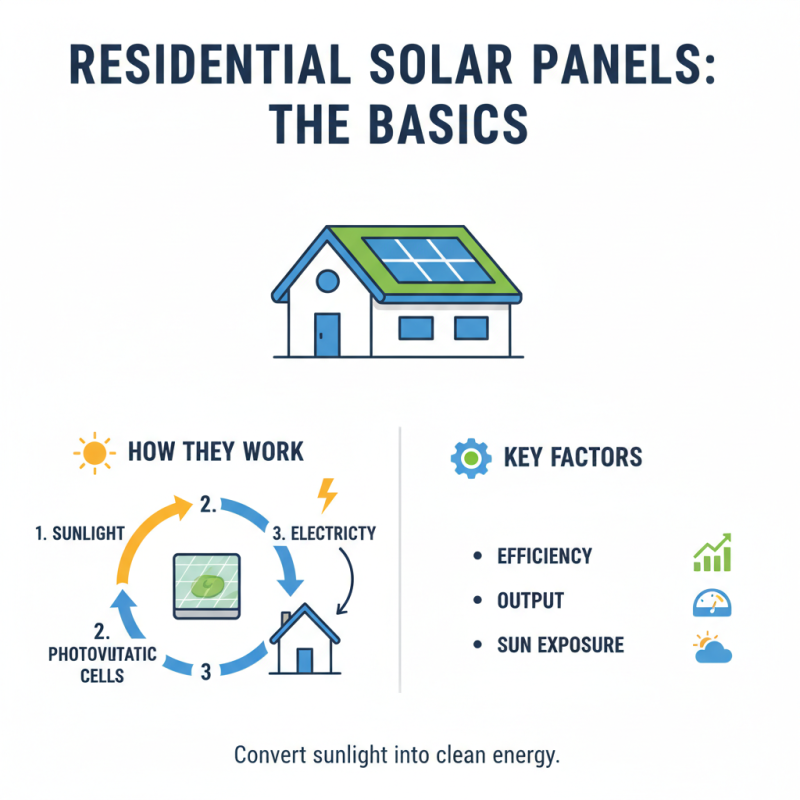
When selecting residential solar panels, it’s vital to understand the basics. Solar panels convert sunlight into electricity. They consist of photovoltaic cells, which generate power when exposed to sunlight. This process sounds simple, yet many factors influence efficiency and output.
Consider your roof's angle and shading. A south-facing roof usually captures the most sunlight. Ensure no large trees cast shadows during peak sun hours. Installing panels in a shaded area can drastically reduce their efficiency. It's also essential to gauge your energy needs. Analyze your utility bills to determine how much power you use monthly. This assessment helps you choose the right panel size and number.
Remember to check the quality indicators. Factors like temperature coefficient, warranty, and lifespan matter. Not all panels perform equally in extreme weather. Some panels may not withstand heavy snowfall or high heat well. Often, the cheaper options might not last long or perform effectively, leading to potential regrets about your choice. Take your time to weigh options, and don't rush into a decision. The goal is to find panels that will provide long-term benefits.
Choosing the best residential solar panels for your home requires understanding various types and technologies. Photovoltaic (PV) panels are widely used. They convert sunlight directly into electricity. Monocrystalline panels are efficient but can be costly. Polycrystalline panels, on the other hand, are more affordable yet slightly less efficient. Many homeowners hesitate, unclear about which type will serve them best.
Thin-film solar panels offer flexibility. They are lightweight and can be applied in different scenarios. However, they often have lower efficiency rates. Each type of panel has a specific installation requirement, which can lead to extra costs. Before making a decision, consider the roof space available and the typical energy consumption patterns in your home.
Reflecting on technology options is crucial. Some may find the latest advancements appealing, but they might not fit every budget. Others overlook the importance of warranties and lifespan. Take time to weigh all factors thoroughly. Compare efficiency, costs, and aesthetics to find the ideal match for your home. Solar energy is an investment that needs careful consideration.
Assessing your home’s solar energy needs is crucial for choosing the right residential solar panels.
Start by calculating your average monthly energy consumption. Review past utility bills to get a clear picture. This will help determine the size of the solar system you need. Pay attention to seasonal variations in energy use. You may find peak usage in summer or winter, affecting your solar needs.
Consider your roof’s orientation and shading. South-facing roofs receive the most sunlight. Shady areas from trees or buildings can reduce efficiency. Observe your roof throughout the day to spot potential issues. If it casts shadows over your panels, your output will decrease. You might need to trim overhanging branches or even rethink panel placement.
Tips: Consult with a professional to assess your roof's condition. They can help gauge if upgrades are needed. Additionally, think about your future energy requirements. Plans for electric vehicles or home expansions can increase your need for solar power. It’s not only about today’s usage; consider tomorrow’s growth.
When selecting solar panels for your home, key factors play a crucial role in your decision. Efficiency is one of the most significant metrics. High-efficiency panels convert more sunlight into energy. According to the National Renewable Energy Laboratory, top-tier panels can exceed 22% efficiency. However, bearing in mind your budget is essential. Premium products may offer better performance, but they also come with higher costs that can strain finances.
Durability and warranty coverage also matter. A panel’s lifespan typically ranges from 25 to 30 years. Some manufacturers provide warranties for only 10 years, which might raise a red flag. Look for brands offering longer warranties, indicating confidence in their product. Additionally, consider how well the panels will perform in various weather conditions. Research shows that temperature coefficients impact performance in hotter climates. Some panels suffer efficiency drops as temperatures rise, while others maintain better output.
Installation quality cannot be overlooked. An experienced installer makes a big difference. A poorly installed system can lead to significant energy losses. Reviews from previous customers can provide insight into a company's installation services. Remember, every choice has trade-offs. Balancing efficiency, cost, longevity, and installation usually leads to better results. Making the right decision is crucial for harnessing solar power effectively.
When selecting solar panels for your home, it's important to consider various key factors. This chart displays the average efficiency ratings, warranty periods, and cost per watt of popular solar panel types.
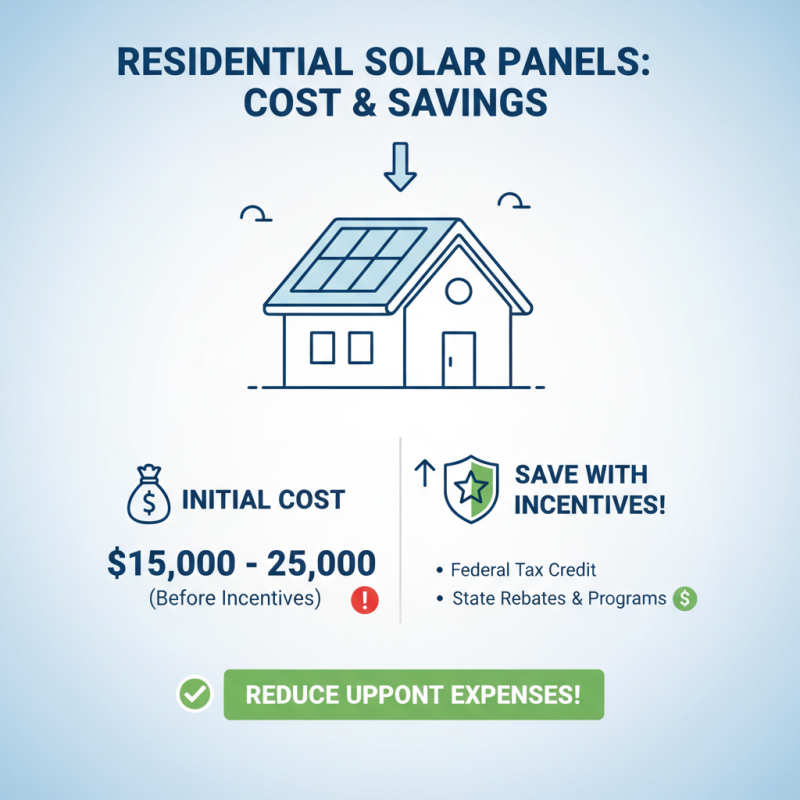
When considering residential solar panels, cost is a crucial factor. Homeowners often underestimate initial expenses. The average installation can range from $15,000 to $25,000 before any tax credits. This figure can be daunting. Yet, many states offer rebates and incentives to reduce upfront costs significantly.
Long-term savings analysis reveals a different story. According to a report by the National Renewable Energy Laboratory, solar energy can save homeowners about $20,000 over 20 years. This is a substantial amount, especially when considering rising electricity rates. Furthermore, solar panels typically boost property value, making them a solid investment. Yet, there are variables to keep in mind. Depending on local sunlight exposure, panel efficiency may vary. Some homes may not benefit as much.
Maintenance costs should also not be ignored. While solar panels generally require little upkeep, occasional cleaning is crucial. Dirty panels can lead to reduced efficiency, costing homeowners in the long run. It's essential to weigh these considerations carefully. Balancing initial investment with long-term benefits is key. Understanding all facets will help in making an informed decision.