Why Investing in a Solar Energy System for Home Saves You $1,500 Annually
The shift towards renewable energy sources is gaining significant momentum, particularly in residential settings. The solar energy system for home stands out as a practical investment that not only promotes environmental sustainability but also offers substantial financial savings. According to the U.S. Department of Energy, homeowners can save an average of
$1,500 annually on utility bills by integrating solar technology into their residences. This statistic underscores the financial viability of installing a solar energy system, making it an attractive option for those seeking to reduce household expenses.
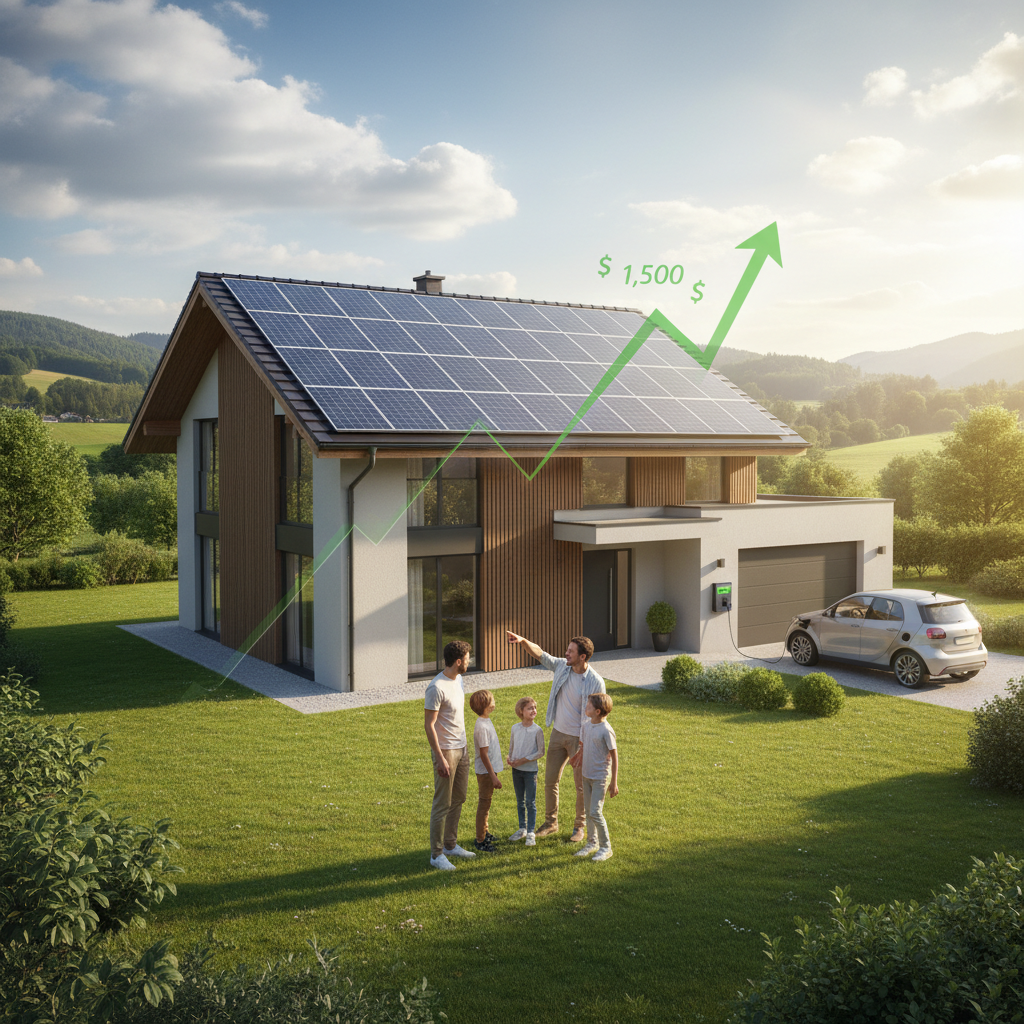
In addition to direct savings, recent reports from the National Renewable Energy Laboratory indicate that the cost of solar panel installations has decreased by over 70% since 2010, contributing to increased accessibility for homeowners. The rising efficiency of solar technologies also means that households can generate their own electricity, further reducing reliance on traditional energy sources and insulating themselves from rising energy costs. As consumers become more aware of the benefits associated with solar energy, the demand for home solar systems is expected to continue growing, reinforcing the importance of understanding how to effectively implement these systems for optimal financial returns.
Benefits of Reduced Energy Bills Through Solar Power
Investing in a solar energy system for your home can lead to significant savings on energy bills, often amounting to around $1,500 annually. This financial benefit stems from the fact that solar panels harness energy from the sun, converting it into electricity that powers your home. As you generate your own electricity, you are less reliant on traditional energy providers, which often raise their rates over time. This independence not only shields you from escalating energy costs but also allows for better financial planning in the long run.
Moreover, solar energy systems can enhance the value of your property. Homes equipped with solar panels are increasingly attractive to buyers, who recognize the potential for long-term savings and environmental benefits. Reduced energy costs can also contribute to a healthier cash flow, enabling homeowners to allocate funds toward other investments or necessities. Embracing solar power is not only a way to cut back on expenses but also a forward-thinking approach to sustainable living, ultimately benefiting both your wallet and the planet.
Long-Term Savings: The Financial Advantage of Solar Investment
Investing in a solar energy system for your home offers significant long-term financial advantages. By harnessing the power of the sun, homeowners can dramatically reduce their electricity bills. On average, families can save up to $1,500 annually, thanks to lower energy costs and potential tax incentives. As solar technology continues to advance, it not only becomes more efficient but also more affordable, making solar energy a worthy investment for those looking to enhance their financial well-being.
Tips: When considering solar energy, it's essential to evaluate your home’s solar potential. Check the orientation and shading of your roof, as optimal exposure to sunlight increases energy production. Additionally, don’t forget to research local and federal incentives that can further reduce installation costs. Many states offer rebates that might cover a significant portion of your investment, enhancing your savings from the outset.
Another critical consideration is selecting a reliable solar provider. Research various companies, read customer reviews, and compare warranties to ensure you choose a reputable installer. A quality installation will not only maximize your savings but also ensure your solar system runs efficiently for years to come. Embracing solar energy now can lead to substantial long-term financial benefits and contribute positively to the environment.
Annual Savings from Solar Energy Investment
Government Incentives and Tax Credits Boost Solar Savings
Investing in a solar energy system for your home can lead to significant savings, primarily due to a variety of government incentives and tax credits available to homeowners.
Many states and municipalities offer rebates that can substantially lower the upfront cost of solar installation. Additionally, the federal solar tax credit allows homeowners to deduct a percentage of their solar system costs from their federal taxes, making the investment even more attractive.
These incentives not only ease the financial burden but also encourage the adoption of renewable energy, promoting a cleaner environment.
Furthermore, the financial advantages of going solar extend beyond initial savings. Many programs also include performance-based incentives, which reward homeowners for the energy their solar systems produce over time.
This means that as solar technology continues to mature, homeowners can expect ongoing savings on their utility bills, further enhancing the appeal of solar energy systems.
With the combined benefits of government incentives and the long-term savings they provide, investing in solar energy can indeed save homeowners an impressive $1,500 annually.
Increased Home Value: How Solar Energy Systems Pay Off
Investing in a solar energy system not only effectively reduces utility bills but also significantly increases the overall market value of your home. Homebuyers are increasingly looking for properties with sustainable features, and solar panels are at the top of that list.
A home equipped with solar energy systems often fetches a higher price, reflecting buyer preferences for energy efficiency and lower long-term operational costs. Studies have shown that properties with solar installations can sell for 4% more on average compared to those without, creating a substantial financial incentive for homeowners considering this investment.
Moreover, the appeal of solar energy systems goes beyond initial financial returns. They contribute to a home's green credentials, aligning with the growing trend of eco-conscious living. With state and federal incentives available, along with the decreasing costs of solar technology, homeowners can offset the installation expenses while enhancing their property's value.
As energy prices continue to rise, homes equipped with solar energy systems will not only attract environmentally aware buyers but also retain a competitive edge in the real estate market, solidifying their status as wise investments for the future.
Environmental Impact: Saving the Planet and Your Wallet
Investing in a solar energy system for your home not only
significantly reduces your annual energy costs but also plays a crucial role in protecting the environment.
Every kilowatt-hour of electricity generated by solar panels helps to decrease reliance on fossil fuels,
which are the primary contributors to greenhouse gas emissions. By harnessing the power of the sun,
homeowners actively participate in the transition to cleaner energy sources, ultimately helping to
combat climate change and reduce the overall carbon footprint.
Moreover, the financial advantages of solar energy extend beyond personal savings. As communities
collectively shift towards renewable energy, the demand for fossil fuels decreases, leading to a
potential decrease in their market prices. This collective effort not only leads to a more stable
and sustainable economy but also encourages further investments in clean technology. By prioritizing
solar systems, homeowners contribute to a circular economy
that benefits not just their wallets but the planet as a whole. The ripple effect of individual choices
creates a larger movement toward sustainability, ensuring a healthier environment for future generations.