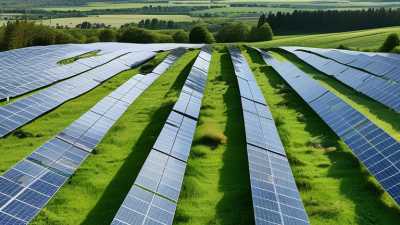
A solar installation quote is more than a price beside a panel count. It is a plan for how your home will produce, use, and possibly store electricity. Two proposals can look similar on a screen yet differ in equipment, roof work, warranties, and assumptions about your future bills. Details matter.
Energy analyst Amory Lovins is often credited with the reminder, “The cheapest energy is the energy you don’t use.” That idea belongs in any solar discussion. Before comparing system sizes, ask whether the estimate reflects your actual electricity use, including seasonal changes and planned upgrades. A summer bill alone may not tell the whole story. Nor will a glossy payback estimate explain every assumption.
The questions in this guide are designed to make those assumptions visible. Ask how the installer calculated production, what equipment is included, and which costs could change after a roof inspection. Request clear answers about permits, installation timing, monitoring, and warranty service. Then compare the written details, not just the bottom line. A checklist cannot predict every delay or surprise; sometimes a proposal still leaves an awkward gap. That is a reason to ask again, not to guess. A careful review helps you judge whether the system fits your roof, budget, and expectations.

A useful starting point is the U.S. Energy Information Administration’s 2022 estimate: the average U.S. household used 10,791 kilowatt-hours (kWh) annually. That figure is a reference, not a design target. Ask the installer, “How does your proposed system compare with my last 12 months of bills?” A home using 8,000 kWh should not automatically receive a system sized for 10,791. Likewise, a household above the average may need less solar if efficiency upgrades are planned. Small details matter. Check whether the estimate accounts for roof direction, shade from nearby trees, and local weather. Ask for estimated annual production in kWh, not only panel count or system capacity. The difference is easy to miss.
Request the assumptions behind the production figure, including seasonal output and expected shading losses. Compare that forecast with actual usage, especially if electric heating, an electric vehicle, or new appliances are likely. Ask whether the quote describes a full-year energy offset or a lower target. Neither number guarantees your future bill; usage and utility rules can change. Have the installer explain how the estimate handles cloudy months and winter demand. I’d also ask what happens if actual output falls short. Estimates can look overly neat. I may be missing something, but one national average cannot describe every household. Your own bills belong in the conversation.
When comparing a solar installation quote, ask: “Which weather data and roof measurements produced this forecast?” NREL’s PVWatts tool estimates energy from inputs such as location, system size, tilt, and orientation. Ask the installer to show these settings, not just the annual kilowatt-hour figure. A roof facing slightly east can shift production earlier in the day. Nearby trees can change it again.
Check the assumptions closely. NREL’s PVWatts Version 8 documentation lists default system losses of 14%, a 1.2 DC-to-AC ratio, and 96% inverter efficiency. Ask which losses the quote includes, such as shade, wiring, or soiling, and whether the installer replaced defaults with site-specific values. Defaults are not guarantees. Small differences matter.
Ask for monthly estimates alongside the annual forecast, and request the weather-data source and shading method. Compare the monthly pattern with your roof’s exposure and local conditions. If the model assumes an open, unshaded roof, but a chimney casts a winter shadow, ask for a revised estimate. Also ask whether the forecast includes equipment downtime or future panel degradation; these details can be easy to miss. NREL’s PVWatts documentation explains the model’s assumptions and limits, so review them with the quote.
A solar quote should state the annual degradation rate used to estimate future production. NREL’s median figure is about 0.5% per year, but it is a reference point, not a promise for every system. Ask the installer to show the rate in writing and explain its source. A small change can add up across a 25-year forecast.
Ask what the estimate applies to: panel power, or the system’s total energy output. Those are not always identical. Shade from a new tree, inverter replacement, dust, and roof orientation can also affect production. Request a year-by-year estimate, including the assumed starting output and expected output near year 25. Ask for the calculation, not just the final number.
Then compare quotes using the same degradation rate. Otherwise, one proposal may look better simply because it assumes slower decline. Check the performance warranty separately; warranty terms do not guarantee a particular household’s energy bill. That matters. I would also ask how actual output will be monitored and what happens if it falls below the estimate. Forecasts are imperfect, and that part deserves an honest answer.
When comparing solar quotes, ask whether panel performance coverage lasts 25 years, a question highlighted in SEIA consumer guidance. A “25-year warranty” is not a complete answer. It may cover declining electricity output, equipment defects, or both. These protections are different. Small print matters.
Ask what minimum output the panels must maintain in years 10, 20, and 25. Some warranties allow gradual power loss, so request the expected figures in writing. Then ask what happens if a panel falls below the stated level. Will it be repaired or replaced? Does coverage include labor, shipping, and removal from the roof, or only the panel itself? A replacement panel may not restore lost production right away.
Check who is responsible for handling a claim and whether the coverage can transfer to a future homebuyer. Ask for exclusions, too, such as damage from improper installation. Panel performance coverage usually does not replace a separate workmanship warranty. I used to think the number of years told the whole story. It doesn’t. Compare the actual terms alongside the quote, and keep a copy of the answers.
A solar quote should show more than one grand total. Ask for separate prices for panels, inverter, racking, labor, permits, electrical work, and any battery. Check whether roof repairs, utility paperwork, or a main-panel upgrade are included. Small omissions matter. A $1,200 electrical allowance, for example, can change the real cost after a site visit.
Then compare the itemized quote with NREL’s published solar cost benchmark for a similar system. Match the system size and scope as closely as possible. Check the benchmark’s year and assumptions, including whether storage is counted. NREL’s figure is a modeled reference, not a promised local installation price. Local labor, roof access, equipment choices, and project complexity can all shift the number. A quote above the benchmark is not automatically unreasonable; ask what explains the gap.
Request written explanations for unusual line items and confirm whether incentives are reflected in the quoted price or shown separately. Compare warranty coverage and expected system output, too, since the cheapest proposal may leave out useful services. A spreadsheet helps, but it can make unlike proposals look identical. I would flag unclear allowances rather than assume they will stay low. One vague sentence can become an expensive surprise.