Top Solar System Installation Tips for Global Buyers?
As the demand for renewable energy grows, solar system installation has become increasingly popular among global buyers. According to John Smith, a leading expert in the solar industry, "Effective solar system installation is vital for maximizing energy production." His insights highlight the importance of proper installation techniques.
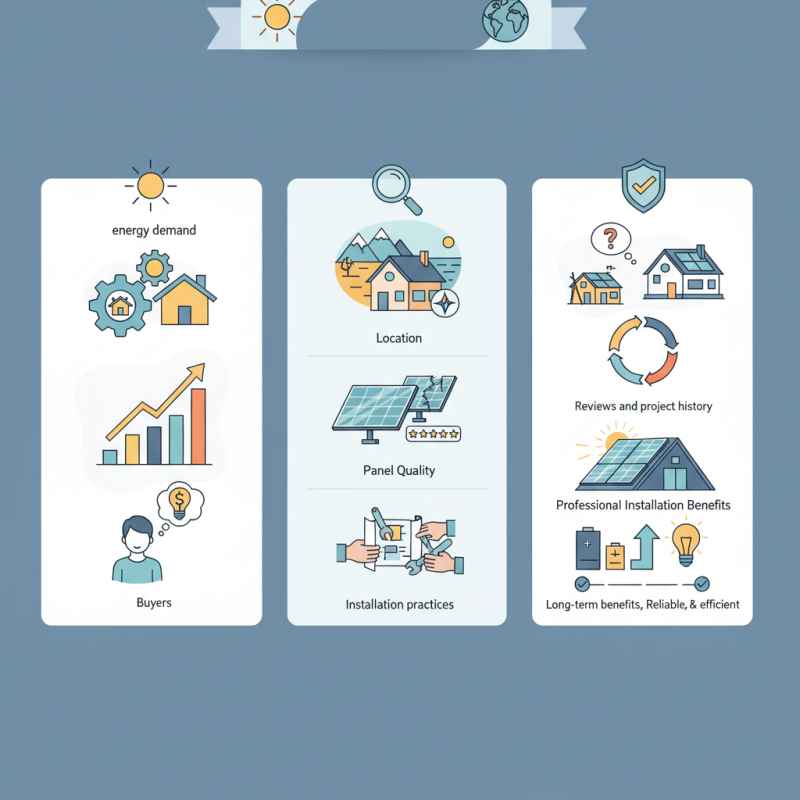
Choosing the right solar system can be overwhelming. Buyers must consider factors like location, panel quality, and installation practices. Many opt for local installers, thinking it ensures quality. Yet, this isn’t always the case. Not all local companies have the necessary experience. It can be useful to look for reviews and project histories before making a choice.
Many buyers underestimate the impact of professional installation on system performance. A poorly installed solar system can lead to lower efficiency and even damage. To avoid such pitfalls, take the time to research and engage with experienced professionals. This critical step can lead to long-term benefits, ensuring a reliable and efficient energy source.
Understanding Your Solar Needs: A Comprehensive Assessment
When considering solar system installation, understanding your specific needs is crucial. A comprehensive assessment helps identify your solar requirements based on energy consumption and local climate. Analyze your electricity bills to gauge usage patterns. This data is vital for sizing your system appropriately.
Evaluate your property’s exposure to sunlight. Roof angles and shading from trees will affect energy production. A professional site assessment can pinpoint optimal installation locations. Additionally, estimate future energy needs. Will your consumption grow with new appliances?
Tips: Investigate local regulations and available incentives. These can significantly impact your project’s budget. Consult with experts for tailored advice. They can provide insights on system efficiency and technology options. Don’t rush the decision-making process. Take time to weigh your options and potential pitfalls. It's essential to invest in a system that aligns with both your needs and budget.
Choosing the Right Type of Solar System for Your Location
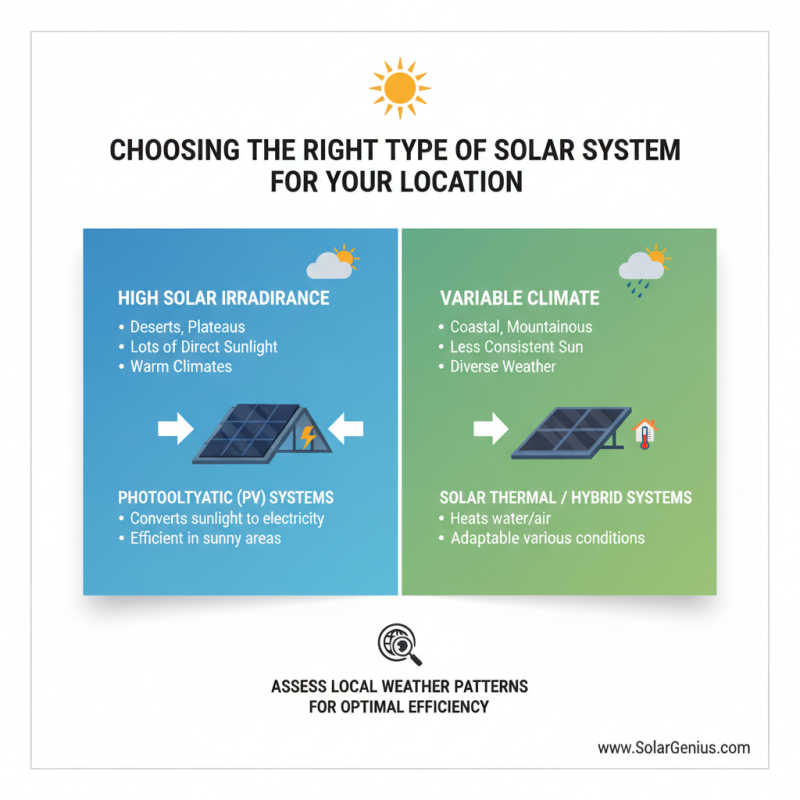
When deciding on the right type of solar system, location is crucial. Different regions have unique sunlight availability and climate conditions. For example, areas with high solar irradiance can benefit from photovoltaic (PV) systems. These systems convert sunlight directly into electricity. Thus, assessing local weather patterns helps in selecting the most efficient type.
Moreover, it’s essential to consider how much energy you need. A small household may only require a basic setup, while larger families might need additional panels. Don’t overlook the landscape. Trees and buildings can cast shadows, limiting sunlight and reducing efficiency. Understanding the space available influences your solar installation choice.
Additionally, local regulations and incentives can impact your decision. Some regions offer tax breaks for solar energy usage, while others may have restrictions on system size. Exploring these guidelines can prevent future complications. Choosing wisely requires careful research and contemplation. This process may seem overwhelming, but a thorough evaluation leads to better choices for sustainable energy.
Essential Steps for Selecting a Reliable Installer
When selecting a reliable solar system installer, several essential steps can guide global buyers. First, check for certifications and licenses. These credentials indicate that the installer meets industry standards. According to the Solar Energy Industries Association, certified installers tend to deliver higher quality work.
Review customer testimonials and case studies. Positive feedback demonstrates reliable performance. However, be cautious of overly enthusiastic reviews. Some may lack authenticity. Aim for detailed accounts, highlighting project challenges and installer responses. This provides a clearer picture of what to expect.
Also, inquire about warranties and post-installation support. A reputable installer should offer strong warranties to cover potential issues. Look for details on maintenance services too. Without proper follow-up, even the best systems can underperform. Compare quotes, but remember, the cheapest option may not offer the best value. As prices vary, focus on transparency and the quality of components used.
Top Solar System Installation Tips for Global Buyers
Permits and Regulations: Navigating Local Solar Policies
When considering solar system installation, understanding local permits and regulations is essential. Each region has its own policies, which can significantly affect the installation process. Buyers must research their local laws thoroughly. This includes understanding zoning laws and any necessary permits for installation. Failure to comply can result in fines or denial of service.
Local authorities may have different requirements. Some may require a lengthy approval process, while others may offer expedited options. It's wise to consult with a local solar expert who understands these nuances. They can guide you through the paperwork efficiently. Additionally, consider the possibility of changes in regulations. Staying updated on local policies will help ensure a smooth installation process.
Navigating these regulations can feel overwhelming. Be prepared for unexpected hurdles. Delays in permit approval can impact your timeline and budget. It's important to factor these uncertainties into your planning. Engaging with local solar communities or forums can provide valuable insights. Real experiences can shed light on potential pitfalls. This knowledge is invaluable for global buyers looking to adopt solar technology.
Top Solar System Installation Tips for Global Buyers
| Country |
Permit Required |
Approval Time (Days) |
Regulatory Authority |
Installation Costs (USD) |
| United States |
Yes |
30-90 |
Local Government |
15,000 - 25,000 |
| Germany |
Yes |
14-30 |
Federal Network Agency |
10,000 - 20,000 |
| Australia |
Yes |
21-60 |
Clean Energy Regulator |
8,000 - 15,000 |
| India |
Yes |
30-60 |
Ministry of New and Renewable Energy |
6,000 - 12,000 |
| Canada |
Yes |
15-45 |
Natural Resources Canada |
10,000 - 18,000 |
Maximizing Efficiency: Maintenance Tips for Solar Systems
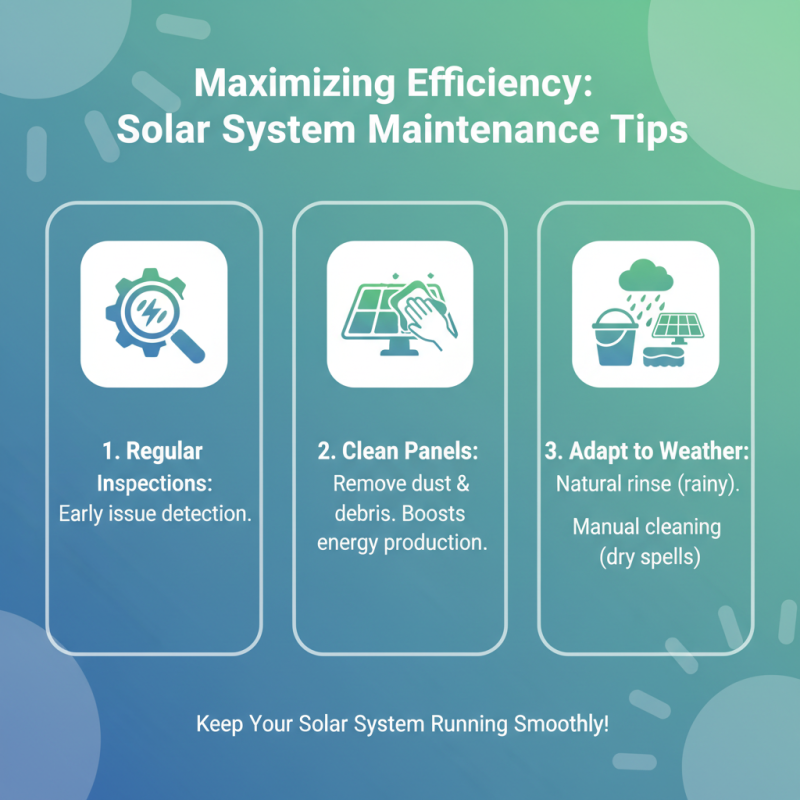
Maintaining a solar system is crucial for maximizing its efficiency. Regular inspections can identify potential issues early. Check for dust and debris on panels; these can reduce energy production significantly. In regions with heavy rain, dirt typically washes away, but after dry spells, you may need to clean panels manually.
It's wise to monitor your system's performance. Look at energy output regularly. If you notice a drop, it might be time for maintenance. The inverter should be checked too. This device converts solar energy into usable power. An inverter malfunction can lead to lost energy and inefficiencies.
Don’t underestimate the importance of professional evaluations. Hiring an expert can provide insights that you may overlook. They can detect hidden problems and suggest upgrades. Remember, even high-quality systems need care. Regular attention prevents future headaches and costs. Embrace this responsibility for better energy efficiency.