Top 10 Tips for Choosing Solar Pool Panels for Your Home?
Investing in solar pool panels can significantly reduce pool heating costs. According to a report from the U.S. Department of Energy, solar heating can save homeowners up to 70% on energy bills. With the rising costs of traditional energy sources, this alternative has become increasingly appealing.
Choosing the right solar pool panels requires careful consideration. Not all panels are created equal; variations in efficiency and durability exist. Some panels are not suitable for specific climates. A study indicates that improperly chosen panels could lead to reduced performance and increased maintenance needs.
It's essential to learn from others’ experiences in this area. Many homeowners initially regret not conducting thorough research before purchasing. Taking the time to assess your unique requirements is crucial. This guided approach can enhance your investment and lead to long-term satisfaction with solar pool panels.
Understanding Your Pool Heating Needs and Goals
When considering solar pool panels, it's crucial to understand your heating needs. Think about the climate where you live. For instance, regions with fewer sunny days may require more panel coverage. The U.S. Department of Energy suggests that optimal solar panel coverage can increase temperature by several degrees. This data helps in planning how many panels you might need.
Assess your pool size as well. A small pool may need less energy than a larger one. Generally, larger pools often lead to higher heating costs if not planned properly. Research indicates that 60% of pool owners wish they had invested in better solar systems. Efficiency is key. Panels that do not align with your heating goals may lead to disappointment.
Lastly, consider installation angles. If panels are not installed at the correct angle, they may not absorb sunlight effectively. The National Renewable Energy Laboratory (NREL) notes that the right angle can enhance energy absorption by 15%-20%. A mismatch here can waste both space and investment. Proper understanding of your goals and needs will guide you in making smarter choices.
Evaluating Different Types of Solar Pool Panels
When selecting solar pool panels, it’s essential to evaluate the various types available. Generally, there are three primary types: flat panels, evacuated tube panels, and heat exchanger systems. Each type has distinct advantages and drawbacks. Flat panels are the most common. They are effective and generally less expensive, often providing 50-80% of your pool heat needs. However, their efficiency can drop in colder months or during cloudy weather.
Evacuated tube panels are more efficient in low temperatures. They can capture sunlight from multiple angles, making them ideal for year-round use in various climates. Nevertheless, their cost can be significantly higher. A report by the Solar Energy Industries Association indicates that as of 2022, consumers saw an average return on investment for solar pool heating systems in about 7-10 years. This investment may be less attractive for homeowners in warmer regions.
Consider the size of your pool too. Larger pools may require more panels, increasing both installation complexity and costs. Again, some systems might not circulate water effectively in larger setups. Therefore, evaluating the specific needs of your pool and climate is vital. Each option represents a spectrum of efficiency and cost, which should align with your overall energy and financial goals.
Top 10 Tips for Choosing Solar Pool Panels for Your Home
| Tip Number |
Tip Description |
Type of Panel |
Efficiency Rating |
Warranty Period |
| 1 |
Assess your pool size and heating requirements. |
Flat-Plate Collectors |
65%-80% |
10-15 years |
| 2 |
Consider your local climate and sunlight exposure. |
Evacuated Tube Collectors |
70%-90% |
15-20 years |
| 3 |
Research different brands and models for quality. |
Hybrid Collectors |
75%-85% |
10-20 years |
| 4 |
Evaluate the cost versus long-term savings. |
Flat-Plate Collectors |
65%-80% |
10-15 years |
| 5 |
Check for available incentives and rebates. |
Evacuated Tube Collectors |
70%-90% |
15-20 years |
| 6 |
Determine your panel installation options. |
Hybrid Collectors |
75%-85% |
10-20 years |
| 7 |
Understand the maintenance requirements. |
Flat-Plate Collectors |
65%-80% |
10-15 years |
| 8 |
Seek recommendations from other pool owners. |
Evacuated Tube Collectors |
70%-90% |
15-20 years |
| 9 |
Inquire about the installation process and timeframe. |
Hybrid Collectors |
75%-85% |
10-20 years |
| 10 |
Factor in the aesthetic appeal of the panels. |
Flat-Plate Collectors |
65%-80% |
10-15 years |
Assessing the Efficiency and Performance Ratings of Panels
When choosing solar pool panels, efficiency and performance ratings play a critical role. Look for panels with high efficiency ratings. This percentage indicates how well the panel converts sunlight into usable energy. For optimal heating, panels should ideally reach efficiencies between 70% and 90%. However, not all panels claim realistic figures. Always check third-party testing for credibility.
Consider the performance ratings, especially the temperature coefficients. A lower coefficient means better performance in high temperatures. Many panels underperform when it’s hot outside, especially during summer. Understanding how your chosen panels react in various conditions is key. Keep in mind that installation and layout also impact efficiency. The angle and position should maximize sunlight exposure.
Installation can be tricky, and any missteps may lead to lower performance. It’s essential to periodically assess the system's output. Regular checks help ensure panels perform at their rated efficiency. An informed choice, along with patience and reflection during the process, will lead to better results. However, even the best panels may not perform as expected initially, so be prepared for adjustments.
Considering Installation Options and Costs
When considering solar pool panels for your home, installation options and costs play a crucial role. Research shows that the average cost for solar pool heating systems ranges from $3,000 to $4,500, including installation. However, this figure can vary based on the size of the pool and the specific type of system chosen.
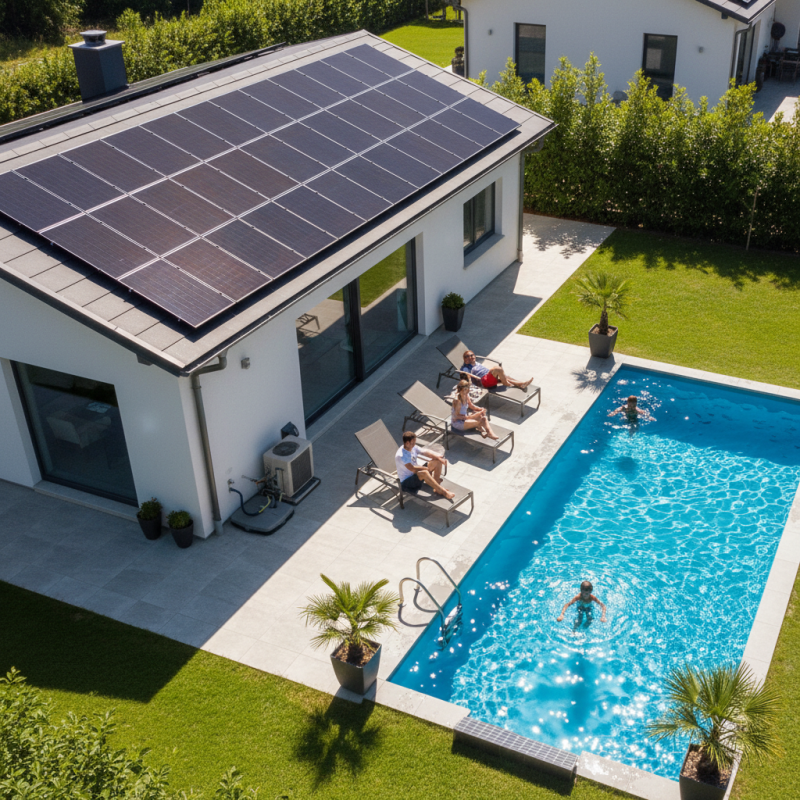
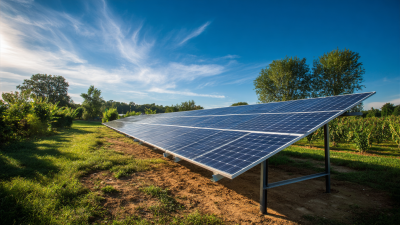
Some installation options are available. Roof-mounted panels are a common choice. They maximize sun exposure and save on space. Ground-mounted systems, on the other hand, can be more flexible in positioning but require more area. Homeowners need to assess their available space carefully.
According to the U.S. Department of Energy, solar systems can yield savings of up to 80% on pool heating costs. However, not all homes benefit equally from solar heating.
Unpredictable factors can affect installation costs as well. Factors like roof condition and local labor costs may influence the final price. A poorly executed installation can lead to leaks or decreased efficiency, causing further expenses down the line. It’s essential to get multiple quotes and review the contractors' experience. This way, you’ll have a better chance of a reliable installation. Remember, investing in quality installation pays off over time.