Top 10 Tips for Successful Solar Panel Installation at Home?
Installing solar panels at home can be a rewarding experience. However, successful solar panel installation requires careful planning and knowledge. Many homeowners overlook important details and end up facing challenges later on.
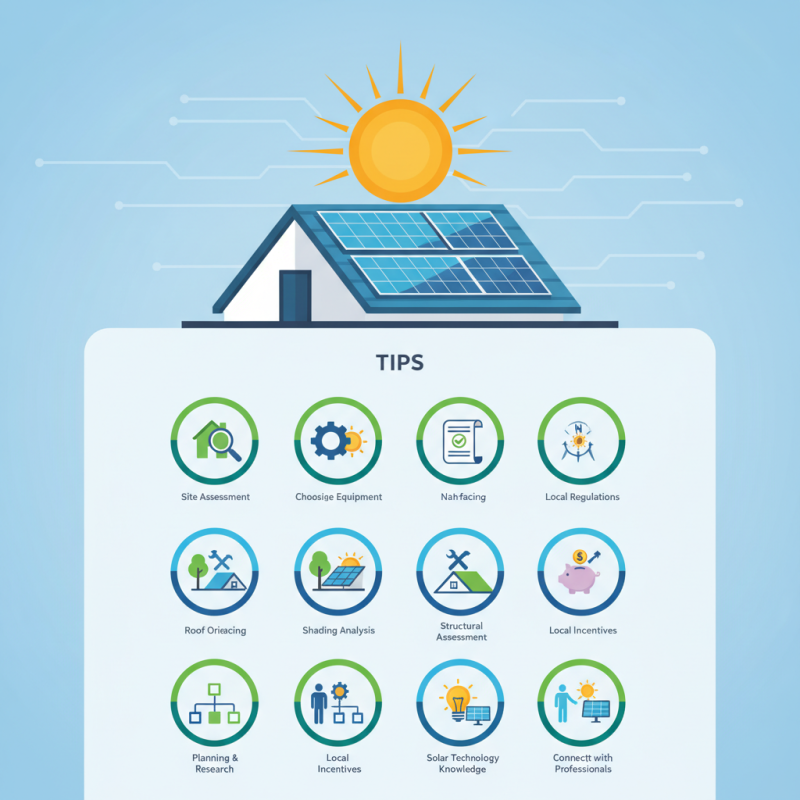
Understanding the process is essential. Solar panel installation involves various steps, including site assessment, choosing the right equipment, and understanding local regulations. Each step requires attention to detail. It is vital to consider factors like roof orientation and shading. These elements impact solar energy production.
Mistakes can be costly. For instance, inadequate structural assessment may lead to roof damage. Neglecting to check for local incentives could also reduce potential savings. Emphasizing planning and research can ensure a smoother installation process. Taking the time to learn about solar technology and connecting with professionals will lead to better outcomes in your solar panel installation journey.
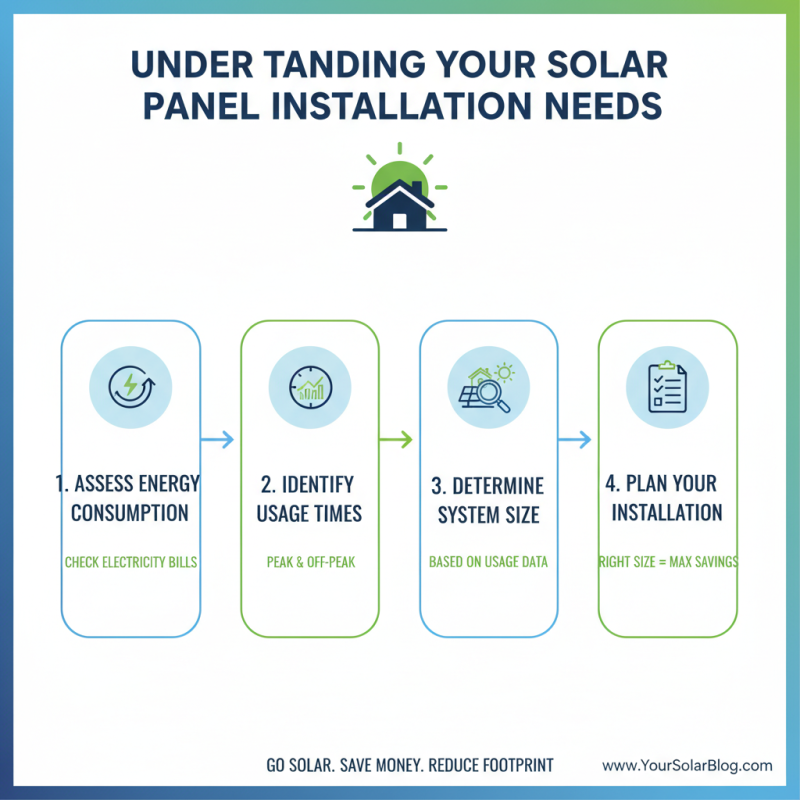
Understanding Your Solar Panel Installation Needs
When planning a solar panel installation at home, understanding your specific needs is crucial. Assess your energy consumption first. Look at your electricity bills. Identify peaks and off-peak usage times. This helps you determine the size of the system you'll need.
Consider your roof space next. Not all roofs are suitable for solar panels. South-facing roofs often perform best. Shadow from trees or nearby buildings can limit efficiency. Be realistic about your home's layout and sunlight exposure.
Tip: Consult with multiple experts. Different professionals may offer varied insights. Compare their recommendations to find the best fit for you. Think about your budget as well. Solar panel systems can differ widely in cost. Invest wisely to ensure long-term benefits.
Taking these factors into account improves your chances of a successful installation. Rushing the process can lead to mistakes. Reflect on your choices continuously to optimize your solar energy journey.
Choosing the Right Solar Panel Type for Your Home
When deciding on solar panels for your home, consider the type that best fits your needs. There are mainly three types of solar panels: monocrystalline, polycrystalline, and thin-film. Monocrystalline panels are known for their high efficiency and sleek design. They work well in spaces with limited roof area. However, they tend to be pricier.
Polycrystalline panels are often more affordable. They have a lower efficiency compared to monocrystalline panels. Still, they perform adequately in larger installations where roof space isn’t an issue. Thin-film panels, while lesser-known, can be appealing for their lightweight and flexible nature. They are ideal for surfaces that cannot support heavier panels, but their lower efficiency requires more space for effective energy production.
Choosing the right type of panel involves weighing cost against efficiency. It's crucial to evaluate your energy needs realistically. Consider your roof’s orientation and the potential for shade. You might be tempted to go for the highest efficiency panels, but this might not always be practical. Careful consideration of local climate and installation space is vital. Reflection on these aspects leads to better decisions and outcomes.
Top 10 Tips for Successful Solar Panel Installation at Home
| Tip Number |
Tip Description |
Solar Panel Type |
Estimated Cost ($) |
Expected Efficiency (%) |
| 1 |
Consider your energy needs and calculate the required solar panel capacity. |
Monocrystalline |
3000 |
20-22 |
| 2 |
Evaluate your roof's orientation and angle for optimal sunlight exposure. |
Polycrystalline |
2500 |
15-18 |
| 3 |
Consult with a solar installation expert to assess site conditions. |
Bifacial |
3500 |
21-24 |
| 4 |
Choose high-quality panels with good warranties. |
Thin-Film |
2000 |
10-12 |
| 5 |
Check local regulations and obtain necessary permits. |
Monocrystalline |
3200 |
20-22 |
| 6 |
Factor in installation costs and compare quotes. |
Polycrystalline |
2600 |
15-18 |
| 7 |
Plan for maintenance and cleaning requirements. |
Bifacial |
3600 |
21-24 |
| 8 |
Investigate incentives and rebates available in your area. |
Thin-Film |
2200 |
10-12 |
| 9 |
Understand your energy provider's net metering policies. |
Monocrystalline |
3000 |
20-22 |
| 10 |
Keep records of installation and system performance for future reference. |
Polycrystalline |
2500 |
15-18 |
Assessing Roof Suitability and Location for Installation
Assessing your roof's suitability for solar panel installation is crucial. Start by checking the roof's age, type, and condition. An older roof may need repairs or replacement, which can affect the installation timeline. Different materials, like asphalt shingles or metal, can influence the mounting process. Make sure your roof can support the additional weight.
Next, evaluate the location of your home. South-facing roofs typically receive the most sunlight. Shade from trees or nearby buildings can reduce efficiency. A simple way to assess this is to observe shadows at different times of the day. You might be surprised by the impact of even a small tree.
Consider the angle of your roof as well. A steeper angle can enhance sunlight exposure. However, it also poses challenges for installation. Sometimes, a less ideal angle can be compensated with the proper positioning of panels. Reflect on how these factors align with your energy needs and consumption patterns. Taking the time now can lead to better efficiency later.
Navigating Local Regulations and Permitting Requirements
Navigating local regulations and permitting requirements is crucial for solar panel installation. Each municipality often has different rules. These variations can impact your project timeline and costs. For instance, a 2022 report by the Solar Energy Industries Association revealed that delays can extend installation by an average of 3 months due to permitting issues.
Before installing, research your local codes. Some areas require specific permits, while others may have zoning restrictions. Engaging with local authorities early can clarify these requirements. An estimated 30% of applicants find their projects delayed because they overlook necessary permits. Moreover, many homeowners report confusion regarding state incentives and rebates, which can also affect overall project feasibility.
Consider reaching out to experienced local installers. They usually have encountered similar situations and can provide insights. It is essential to ensure your project complies with all relevant regulations. A comprehensive understanding of local requirements not only avoids fines but also builds trust within the community. Sometimes, regulations may seem excessive or overly complicated. Reflecting on these can help improve future installations for homeowners.
Finding a Qualified Installer and Comparing Quotes
When considering solar panel installation, finding a qualified installer is crucial. Start by researching local experts who have experience in the field. Look for reviews and testimonials from previous clients. A good installer should be certified and have a solid track record. Ask them about their past projects to gauge their reliability.
Comparing multiple quotes is essential. Each installer may offer different pricing and services. Detail all aspects of the installation and ask questions. For example, inquire about warranty terms and maintenance services. This helps you to make informed decisions and avoid any hidden costs.
Consider getting at least three quotes. This can provide a clearer picture of the market rates. Don’t rush the process, as this will affect the long-term efficiency of your solar system. Technologies change, and keeping informed can lead to better choices. Be wary of offers that seem too good to be true; they often are. Take your time reviewing options to ensure a successful solar installation.