What Are the Top Electric Tricycle Types for Global Buyers?
Choosing the right Electric Tricycle is not simply a matter of comparing motor power or battery size. Global buyers face different roads, climates, regulations, and daily needs. A delivery operator in Amsterdam may value a stable cargo trike, while a rural buyer in Kenya may need wide tires, simple controls, and reliable hill performance. Passenger models, folding tricycles, utility designs, delta trikes, and tadpole trikes each solve different problems.
Dr. Chris Cherry, a transportation researcher at the University of Tennessee, has emphasized, “The best mobility solution must fit the user, the place, and the purpose.” That principle guides this comparison. A useful model should carry its real load without feeling unstable. It should also offer predictable braking, visible lighting, protected wiring, and accessible service support. Small details matter. A low step-through frame can help an older rider. A removable battery can simplify apartment charging. A strong rear rack can turn a leisure vehicle into a working tool.
No single design wins everywhere. That assumption often fails. Buyers may focus on a 1,000-watt motor, then overlook tire quality, controller protection, or replacement-part availability. Some specifications also look impressive but reveal little about real range on hills, gravel, or hot roads. This guide examines the leading Electric Tricycle types for international buyers, using practical criteria such as stability, payload, comfort, maintenance, safety equipment, and total ownership value. The comparison is not perfect. Local testing remains essential, because brochures cannot reproduce every road, rider, or weather condition.
How Electric Tricycles Are Classified by Design and Intended Use
What Are the Top Electric Tricycle Types for Global Buyers?
How Electric Tricycles Are Classified by Design and Intended Use
Electric tricycles are commonly classified by frame design, load capacity, and riding purpose. This method helps buyers compare products across different markets.
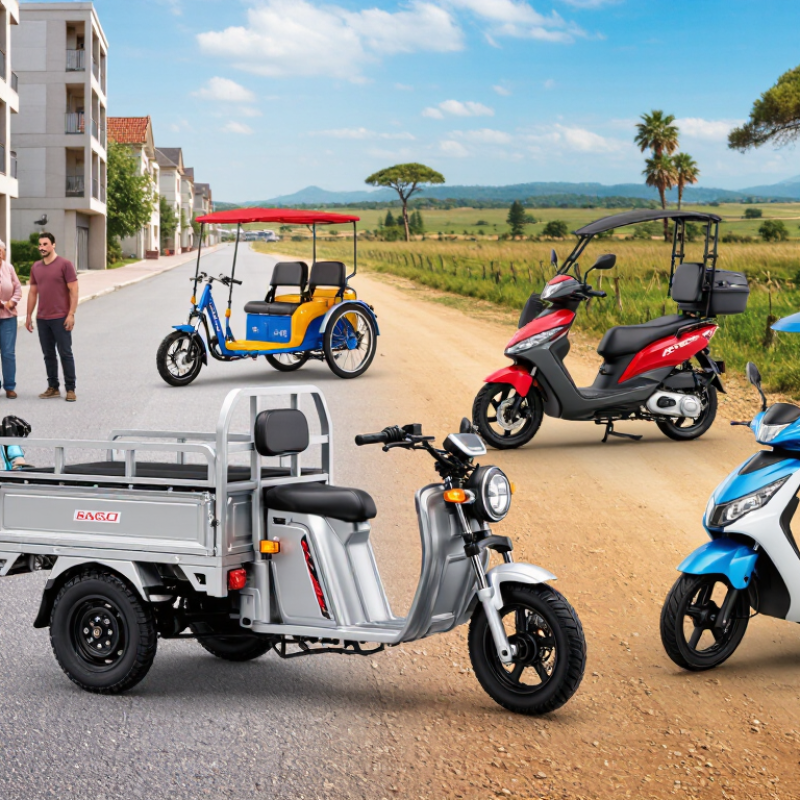
Passenger tricycles usually have a rear bench, weather cover, and low step-through frame. They suit short urban trips, campus transport, and family errands. Their wider rear axle improves balance during slow turns. However, a wide body may feel awkward on narrow streets.
Cargo tricycles use a front box, rear platform, or enclosed compartment. They support deliveries, farm tasks, mobile vending, and warehouse movement.
Buyers should inspect the deck length, braking response, tire size, and frame welds. A long cargo box carries more goods, but it increases turning space. Weight distribution matters. Uneven loading can make steering surprisingly difficult.
Some models combine passenger seating with a removable cargo area. These flexible designs serve small businesses and household users. Utility versions may include stronger suspension, larger batteries, and weather-resistant electrical housings.
The right classification depends on daily routes, terrain, climate, and charging access. In field evaluations, advertised range often changes with hills, cold weather, rider weight, and frequent stops.
Buyers should request measured performance data, not rely only on promotional figures. A practical test with real cargo can reveal weaknesses quickly.
What Makes Electric Cargo Tricycles Suitable for Global Delivery Needs?
Electric cargo tricycles suit global delivery work because they combine useful capacity with narrow-road access. Their three-wheel design offers steady handling when carrying parcels, groceries, or tools. In crowded streets, a compact cargo box can reach doors that larger vans cannot. That practical advantage matters.
Fleet operators should match the vehicle to real routes, not showroom figures. A typical urban route may include steep ramps, broken pavement, rain, and frequent stops. A strong frame, reliable brakes, sealed electrical components, and replaceable batteries support safer daily use. Larger cargo compartments help, but extra weight can reduce range and acceleration. This trade-off is easy to overlook. Operators also need charging access, secure parking, spare parts, and technicians who understand electrical systems. Local load limits and road rules must guide every purchase.
Weather protection improves delivery consistency. A covered box protects parcels from sudden rain, while reflective panels improve visibility during early shifts. Practical testing is essential: load the tricycle fully, ride the intended route, and measure battery use. Manufacturer range claims may not reflect hills, cold temperatures, or repeated stops. I would not treat one successful trial as proof of long-term reliability. Maintenance records, brake inspections, tire checks, and battery monitoring reveal more than attractive specifications. Cargo tricycles are highly capable, yet they still demand disciplined operation and realistic planning.
What Should Global Buyers Compare Before Selecting a Type?
Global buyers should compare electric tricycle types by working conditions, not appearance alone. Cargo tricycles suit deliveries, farms, and small workshops. Passenger models need stable seating, handrails, weather protection, and easy boarding. Compact utility tricycles fit narrow streets but often carry less weight. Choose the job before choosing the frame.
Payload is only one comparison point. Check the real battery range with cargo, hills, wind, and frequent stops. A flat-road test can mislead buyers. Compare motor output, braking performance, turning radius, and ground clearance. For cold or very hot regions, ask how battery performance changes with temperature. Small details matter.
Charging access also affects daily productivity. Buyers should compare charging time, battery replacement cost, warranty coverage, and local service skills. Standard parts can reduce delays, although availability differs between countries. Confirm local road classification, lighting requirements, maximum speed, and passenger rules before importing. A vehicle may perform well yet remain impractical if registration is difficult. Inspect the frame welds, tire load rating, controller protection, and seat mounting points. Test the tricycle with its expected load, not an empty platform. That test may expose uncomfortable handling. Even experienced buyers sometimes underestimate maintenance space and storage needs. A lower purchase price can become expensive after repeated downtime.
Top Electric Tricycle Types for Global Buyers
The chart compares representative rated payload benchmarks for four common electric tricycle configurations. Passenger models prioritize seating capacity and comfort, while cargo box, flatbed utility, and enclosed delivery models generally provide greater load-carrying capability. Before selecting a type, global buyers should also compare driving range, charging time, road regulations, vehicle dimensions, battery chemistry, climate suitability, service availability, and total operating cost. Actual specifications vary by configuration, battery size, road conditions, and local regulations.