Top Solar Electricity for Home Systems in 2026?
Choosing the top solar electricity for home systems in 2026 requires more than comparing panel prices. A reliable system must match your roof, electricity use, climate, and budget. A high-efficiency panel may perform well on paper but disappoint under heavy shade or poor installation. Real conditions matter.
This guide examines the main technologies shaping residential solar in 2026. These include high-output photovoltaic panels, hybrid inverters, home batteries, smart energy controls, and backup-ready designs. We will consider daily production, nighttime storage, maintenance needs, warranty coverage, and long-term value. Small details matter. A south-facing roof with clean exposure can produce very different results from a roof near tall trees.
Professional design remains essential. Installers should assess roof structure, local weather, shading patterns, electrical capacity, and expected household demand. They should also explain system limitations clearly, rather than promising complete energy independence. That promise is often unrealistic.
Battery storage deserves careful attention. It can keep essential appliances running during outages, but battery capacity, operating temperature, and replacement costs affect its usefulness. A larger battery is not automatically better. It may add expense without improving daily savings.
This overview uses practical evaluation principles and current industry considerations to compare leading solar electricity for home options. However, energy prices and incentives vary by location. Check local requirements and obtain several written proposals before deciding. Even experienced homeowners can overlook seasonal production changes. The best system is not always the newest one; it is the one that performs reliably for your home, usage habits, and future needs.
How Home Solar Electricity Systems Work in 2026
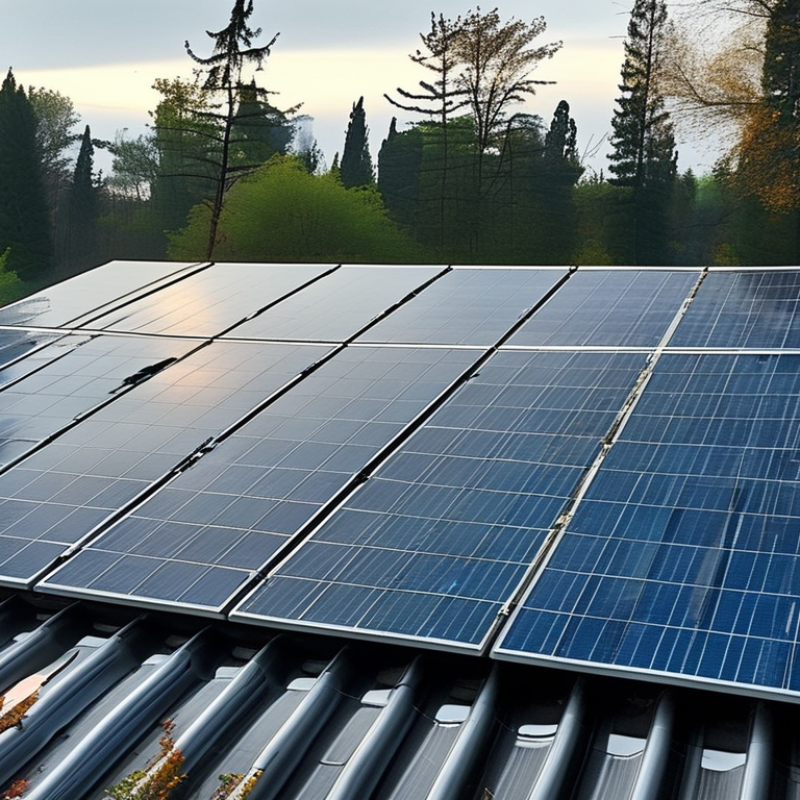
Home solar electricity systems in 2026 convert sunlight into usable household power through several coordinated steps. Solar modules produce direct current on the roof. An inverter changes it into alternating current for lights, appliances, and heat pumps. A smart meter measures imports and exports. Batteries store excess electricity for evening use or short outages.
IEA PVPS Trends 2024 reported that global photovoltaic capacity exceeded 1.6 terawatts by the end of 2023. That scale supports lower equipment costs, but household performance still depends on roof direction, shading, temperature, and local rules. The U.S. National Renewable Energy Laboratory notes that solar output changes hourly and seasonally. In practice, a clear winter afternoon may outperform a cloudy summer morning. Forecasts help, but they are not perfect.
Tips: Check the roof after 3 p.m. for nearby shadows. Ask an installer to model annual production, battery cycling, and winter demand. Review the inverter’s outage behavior, because many systems shut down during grid failures without approved backup controls. Compare measured electricity use with the design estimate. Small errors matter. A battery may improve resilience, yet it can reduce financial returns when cycling losses, replacement timing, and electricity tariffs are ignored. The International Energy Agency also highlights growing demand for flexible resources, making smart load control increasingly useful for water heating, vehicle charging, and cooling.
Key Solar Technologies for Residential Power Generation
Top Solar Electricity for Home Systems in 2026?
Key Solar Technologies for Residential Power Generation
Residential solar systems in 2026 will rely on high-efficiency photovoltaic panels, smarter inverters, and flexible battery storage. Monocrystalline panels remain popular because they produce strong output from limited roof space. Bifacial designs can capture reflected light from pale roofs or ground surfaces. Their benefit depends on installation conditions, not advertising claims.
Perovskite-silicon tandem panels are promising for future homes. They may deliver more electricity from the same area, but long-term field data still needs careful review. A qualified installer should check roof strength, shading, local weather, and electrical safety before recommending them. Small roof shadows can reduce production more than many homeowners expect.
Hybrid inverters can coordinate solar panels, batteries, and household circuits during grid outages. Battery systems store midday energy for evening cooking, cooling, or vehicle charging.
Energy monitoring also reveals waste, such as a water heater running during expensive hours. Useful data matters.
A practical design should match daily consumption, not chase the largest panel count. Oversized batteries may increase cost without improving energy independence. Weather forecasts can still be wrong, and winter output may disappoint. Regular inspections, clear warranties, and verified performance records make decisions more reliable. No home system is perfect.
How to Compare Solar Panels, Batteries, and Inverters
Choosing a home solar system in 2026 means comparing the whole system, not chasing the highest panel rating. The IEA PVPS Trends 2024 report recorded about 456 gigawatts of new photovoltaic capacity worldwide in 2023. That scale has improved manufacturing, but household performance still depends on shade, roof direction, heat, and installation quality.
Panel comparison should include efficiency, temperature behavior, degradation, and usable area.
A higher-wattage panel may produce less on a small, shaded roof. Fraunhofer ISE’s Photovoltaics Report 2024 places leading commercial module efficiencies above 23%, while many market products remain lower. Read the warranty carefully. It should state expected output after 25 or 30 years, not only the starting rating. Real roofs are imperfect. Mine would be, too.
Battery comparisons need usable capacity, round-trip efficiency, cycle life, and safety controls.
A 10-kilowatt-hour battery may provide less than 10 kilowatt-hours after reserve limits and conversion losses. The U.S. Department of Energy notes that lithium-ion storage commonly achieves roughly 85–95% round-trip efficiency, depending on system design.
Inverters deserve equal attention. Check continuous power, surge capacity, backup switching time, and maximum solar input.
Lazard’s Levelized Cost of Storage Analysis, Version 10.0, shows that storage economics vary sharply with utilization. A battery used daily can make better financial sense than one reserved for rare outages. Still, local tariffs can overturn that calculation.
Installation, Grid Connection, and Home Energy Management
Top Solar Electricity for Home Systems in 2026?
Installation, Grid Connection, and Home Energy Management
A reliable home solar system begins with a site inspection, not a sales estimate. Check roof age, shading, cable routes, and the main electrical panel. A licensed installer should calculate household demand before choosing system capacity. Morning shade from one tall tree can reduce winter production noticeably. Roof strength also matters, especially in areas with heavy snow or strong winds. My first design was too optimistic because it ignored evening cooking loads. That mistake changed the battery size.
Grid connection requires careful paperwork and technical checks. Your local utility may require an application, equipment certificates, and an approved export setting. Do not switch on a grid-tied system before permission is granted. A qualified electrician should install protection devices, isolation switches, and clearly labeled circuits. Requirements differ by location. Ask for written confirmation.
Home energy management makes solar electricity more useful. Schedule water heating, laundry, and vehicle charging during sunny hours. A battery can store midday energy for lights, refrigeration, and evening appliances. However, larger storage is not always better. It adds cost, weight, and replacement concerns. Set alerts for unusual consumption, low battery levels, and system faults. Review monthly production against weather and household habits. Data can be confusing. Keep records.