2026 Best Type of Solar Energy Panels for Home?
Choosing the best solar energy panels for home starts with the roof, not the sales brochure. Roof direction, shade, available space, local weather, and electricity rates can change the right choice. A south-facing roof may produce strong midday output, while a partially shaded roof may need better power optimizers or microinverters. Small details matter. Even one chimney shadow can reduce a panel string’s performance.
Industry data provides useful boundaries. The International Energy Agency reported that solar photovoltaic capacity continues to expand faster than other renewable technologies. Its Renewables 2024 report expects solar PV to deliver most global renewable capacity growth through 2030. Fraunhofer ISE’s Photovoltaics Report also shows that modern commercial crystalline-silicon modules commonly reach roughly 20% to 23% efficiency. These figures are impressive, but they do not guarantee the highest household savings. Installation quality, warranty support, inverter life, and annual electricity consumption remain equally important.
Fatih Birol, Executive Director of the International Energy Agency, said, “Solar PV is now the cheapest source of electricity in history.” That statement explains the market’s momentum, not every homeowner’s payback period. A shaded roof may perform poorly. A premium panel may also cost too much. There is no universal winner.
This guide compares monocrystalline, thin-film, and newer high-efficiency options for different homes. It considers output, durability, temperature performance, warranties, appearance, and real installation conditions. The analysis is practical, though not perfect. Solar prices and policies change. Local quotes should always test the assumptions.
Solar Panel Types Available for Homes in 2026
2026 Best Type of Solar Energy Panels for Home?
Solar Panel Types Available for Homes in 2026
Choosing home solar panels in 2026 depends on roof space, sunlight, climate, and budget. The highest efficiency is not always the best value. Monocrystalline panels remain popular because they produce strong output from limited roof areas. They suit small roofs, urban homes, and installations with partial afternoon shade. Modern n-type designs can reduce early degradation and perform well during hot weather. Still, real output depends on orientation, ventilation, and dust.
Polycrystalline panels remain available, although they usually need more space for similar capacity. They may fit larger roofs where installation cost matters more than maximum efficiency. Thin-film panels are lighter and can work on some low-load structures. Their lower efficiency can become a serious limitation on compact roofs. Flexible versions also need careful checking because heat buildup may shorten their useful life.
I once assumed a larger panel always meant better performance. That estimate ignored shading from a nearby chimney. A reliable assessment should include an hourly shade study, roof measurements, local weather data, and future electricity use. Ask about tested power tolerance, temperature coefficients, fire classification, and expected degradation. Check the installer’s experience with roof penetrations and cable protection. Warranties matter, but clear installation records matter too. A practical comparison should measure yearly energy, usable roof area, maintenance access, and total installed cost. Tiny details can change the decision.
2026 Best Types of Solar Energy Panels for Homes
This chart compares typical residential solar module efficiency by panel type. Higher efficiency can produce more electricity from the same roof area, while actual output also depends on sunlight, temperature, shading, orientation, and installation quality.
Values represent commonly reported efficiency ranges for residential modules, shown as representative midpoints. Actual specifications vary by product and installation conditions.
How to Compare Efficiency, Cost, and Durability
For a 2026 home solar installation, panel efficiency matters most when roof space is limited. The Fraunhofer ISE Photovoltaics Report 2024 recorded commercial crystalline-silicon module efficiencies above 23%. In practice, many residential systems deliver less because of heat, shade, wiring, and imperfect roof angles. High-efficiency monocrystalline panels usually suit small roofs. Larger roofs may not justify paying more per watt.
Cost comparisons must include the complete system, not only the panel. NREL’s 2024 Solar Photovoltaic System Cost Benchmark placed average residential installed costs near $2.80 per watt before incentives in the United States. Prices vary by labor, permitting, storage, and roof repairs. A cheaper panel can become expensive if installation takes longer. The spreadsheet can lie.
Durability deserves equal attention. NREL research on photovoltaic degradation commonly reports a median rate near 0.5% per year, although climate and installation quality change results. After 25 years, that rate suggests roughly 88% of original output. Check temperature ratings, moisture resistance, mechanical-load testing, and warranty conditions. I would also inspect local installers’ older systems, not just laboratory figures. Real rooftops reveal problems that brochures miss. Thin-film technology can perform well in some hot conditions, but its larger area requirement often limits residential use.
Best Solar Panels for Different Home Conditions
2026 Best Type of Solar Energy Panels for Home?
The best solar panel depends on your roof, climate, and daily electricity use. Monocrystalline panels suit small roofs because they produce strong output from limited space. They work well for urban homes with clean, south-facing roofs. However, their higher efficiency does not guarantee better savings. A poorly positioned panel still performs poorly.
Homes with partial shade need careful planning. Shade from chimneys, trees, or nearby buildings can reduce production across a panel string. Microinverters or separate power optimizers may help, but a professional site assessment remains essential. In hot regions, choose panels with a lower temperature coefficient. Their output falls less during extreme heat. For snowy or windy areas, check certified load ratings and secure mounting systems. Lightweight thin-film panels can suit weak structures, though they usually require more roof space. That trade-off is easy to underestimate.
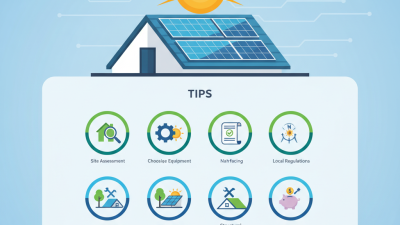
Tips: Measure shade at different times of day. Review twelve months of electricity bills. Leave ventilation beneath rooftop panels. Ask for tested performance data, not only peak efficiency. Keep access paths for maintenance. The perfect panel does not exist. Even expert estimates can miss future tree growth or unusual weather. I would rather select a slightly less efficient panel with dependable installation than chase a laboratory number. Also check roof age before installation. Replacing an old roof later may require removing the solar system, adding unexpected cost.
Key Factors for Choosing a Residential Solar Panel
For 2026, the best residential solar panel is not automatically the one with the highest efficiency. Roof conditions matter more. Fraunhofer ISE’s Photovoltaics Report 2024 places many commercial crystalline-silicon modules around 20%–23% efficiency. A higher-rated panel can help when roof space is limited, but it may deliver little extra value on a large, unshaded roof.
Measure the roof before comparing specifications. Check orientation, seasonal shade, roof age, local wind exposure, and daytime electricity use. The U.S. National Renewable Energy Laboratory recommends production estimates that include weather, tilt, azimuth, and system losses. Ask for a site-specific simulation, not a sales estimate. Small shadows can become expensive.
Temperature performance also deserves attention. Modules usually produce less power as cell temperature rises, so compare temperature coefficients rather than efficiency alone. IEA PVPS Task 13 research commonly uses annual degradation near 0.3%–0.5% for planning. That figure is useful, but real systems vary. Dust, loose connections, and poor ventilation can worsen results. I have seen attractive proposals ignore these details. Do not ignore them. Review the product’s durability testing, electrical safety certification, warranty terms, inverter compatibility, and installer workmanship coverage. A slightly less efficient panel with stronger heat performance and reliable installation may generate more usable electricity over time.
2026 Best Type of Solar Energy Panels for Home? - Key Factors for Choosing a Residential Solar Panel
Typical residential-panel characteristics. Actual performance depends on module design, climate, installation angle, shading, inverter losses, and system maintenance.
| Panel Type |
Typical Module Efficiency |
Typical Temperature Coefficient |
Expected Service Life |
Space Requirement |
Relative Installed Cost |
Best Residential Use |
| Monocrystalline silicon |
19%–24% |
Approximately −0.29% to −0.40% per °C |
25–30+ years with gradual output decline |
Low; high power density suits small roofs |
Medium to high |
Most homes seeking strong output from limited roof area |
| Polycrystalline silicon |
15%–20% |
Approximately −0.35% to −0.45% per °C |
25–30 years with gradual output decline |
Moderate; needs more roof area for the same capacity |
Medium |
Larger, unshaded roofs where upfront budget is important |
| Thin-film |
10%–18%, depending on thin-film material and design |
Often approximately −0.20% to −0.30% per °C |
20–30 years, depending on product construction |
High; generally requires more surface area |
Low to medium, but mounting and area costs can vary |
Large roofs, lightweight structures, or applications needing better hot-weather behavior |
High-efficiency silicon designs
(such as n-type, TOPCon, or heterojunction architectures) |
Approximately 21%–24% in current residential modules |
Often approximately −0.24% to −0.35% per °C |
25–30+ years with low annual degradation on many designs |
Very low; useful where roof space is highly limited |
Medium to high |
Homes requiring maximum capacity, strong hot-climate performance, or long-term energy yield |
Roof Space
Choose higher-efficiency panels when the usable roof area is small or partially shaded.
Local Climate
A less-negative temperature coefficient generally means better relative output during very hot conditions.
Shading and Orientation
Roof direction, tilt, obstructions, and system-level power electronics can affect annual production more than panel type alone.
Warranty and Degradation
Compare product coverage, performance guarantees, annual degradation rates, and installer workmanship terms before purchasing.
Practical 2026 selection: For most homes, high-efficiency monocrystalline silicon panels provide the best balance of roof-space utilization, availability, durability, and long-term energy production. Thin-film panels may be preferable when roof area is abundant, weight is a major constraint, or the installation has unusually high operating temperatures.