
Top 10 Home Solar Installation Companies Worldwide
Choosing a home solar installation company is not just a price comparison. It is a decision about roof design, equipment, workmanship, warranties, and support years after the panels are switched on. A neat sales estimate may look convincing, yet shading from one chimney or a mature tree can change expected production. Details matter.
This guide to the Top 10 Home Solar Installation Companies Worldwide compares providers through practical questions: Where do they operate? Do they offer custom system design, reputable equipment, clear warranties, and dependable service? Local availability still matters. A company’s global reputation cannot guarantee a good crew in every town, and installer networks can change over time. Buyers should check current credentials, written proposals, estimated output, and who handles repairs before signing.
Energy expert Amory Lovins, a physicist and cofounder of the Rocky Mountain Institute, is often quoted as saying, “The cheapest energy is the energy you don’t use.” That idea belongs in any solar discussion. A well-insulated home, efficient appliances, and sensible energy habits can reduce the system size a household needs. Solar is not a magic fix. It is a long-term investment shaped by local sunlight, roof condition, electricity use, and financing. This list offers a starting point, not a universal verdict; even strong companies can deliver uneven experiences.

Understanding Home Solar Installation Companies
Home solar installation companies do more than place panels on a roof. A capable team reviews household electricity bills, roof orientation, shading, and the condition of the electrical panel. It should explain how these details affect system size and expected output. Ask who performs the installation, including whether crews are employees or subcontractors. Local experience matters because building requirements and utility connection processes vary by area.
Look closely at the written proposal. It should distinguish equipment coverage from workmanship protection and show the assumptions behind production estimates. A sunny-day estimate is not a guarantee; seasonal weather, nearby trees, and household energy use can change results. Request a clear breakdown of equipment, labor, and any ongoing service fees. No surprises.
The cheapest quote may leave important work unclear, such as roof repairs or electrical upgrades. Check references, relevant certifications, insurance, and required local permissions, then compare the scope rather than just the total price. A good installer welcomes practical questions and explains what happens if the system underperforms. Some details will still be uncertain. That is worth discussing before signing, especially when estimates depend on future energy habits or a roof nearing replacement.
Top 10 Home Solar Installation Companies Worldwide - Understanding Home Solar Installation Companies
A company-neutral guide to ten common installer capabilities and business models. This is not a ranked list of named companies; services and requirements vary by market.
| No. | Installer capability or model | Typical scope | What homeowners should check | Market-dependent factors |
|---|---|---|---|---|
| 1 | Full-service installation | Site assessment, system design, equipment procurement, installation, and handover. | Confirm which tasks are performed by the contractor and which are subcontracted. | Permitting, utility coordination, and inspection procedures. |
| 2 | Residential rooftop specialist | Solar arrays designed for homes, with roof layout and household electricity use considered. | Ask how shading, roof condition, orientation, and future roof work affect the design. | Roof construction, local building codes, and climate conditions. |
| 3 | Solar-plus-storage provider | Solar panels paired with a battery system for storing some generated electricity. | Check usable battery capacity, backup circuits, warranty terms, and system compatibility. | Grid reliability, electricity tariffs, and rules for connecting batteries. |
| 4 | Grid-connected solar installer | A system connected to the local electricity network; exported power may be handled under local rules. | Verify interconnection steps, export compensation, and whether the system shuts down during outages. | Utility requirements and net-billing or net-metering policies. |
| 5 | Off-grid system specialist | A stand-alone system that typically requires energy storage and careful load planning. | Request a load estimate and an explanation of seasonal production, storage, and backup generation. | Local weather, access to the grid, and fuel or backup options. |
| 6 | Installer offering power-purchase or lease arrangements | May provide solar under a contract where the homeowner pays for equipment use or generated electricity rather than buying the system outright. | Review contract length, escalators, maintenance responsibilities, transfer terms, and total payments. | Availability depends on local law, financing markets, and incentive rules. |
| 7 | Community-solar facilitator | Helps households subscribe to or participate in a shared solar project when installing panels at home is not suitable. | Check eligibility, subscription fees, bill-credit rules, and cancellation conditions. | Program structure and consumer protections differ by jurisdiction. |
| 8 | Roofing and solar contractor | Coordinates roof repairs or replacement with solar installation where both types of work are needed. | Clarify responsibility for roof leaks, removal and reinstallation, and separate workmanship warranties. | Roofing standards, storm exposure, and local contractor licensing. |
| 9 | Energy-management and monitoring provider | Adds monitoring tools that report system production and may help track household consumption. | Ask what data is available, how long monitoring is included, and who handles fault alerts. | Internet access, meter compatibility, and data-privacy requirements. |
| 10 | Local installation and maintenance contractor | Provides installation, inspections, troubleshooting, or maintenance within a defined service area. | Verify licensing, insurance, references, response times, and written workmanship terms. | Licensing rules, labor standards, and availability of qualified technicians. |
Note: Solar output, savings, equipment warranties, and installation timelines depend on system design, site conditions, contract terms, and local regulations. Compare written proposals on the same assumptions before choosing an installer.
Related Posts
-
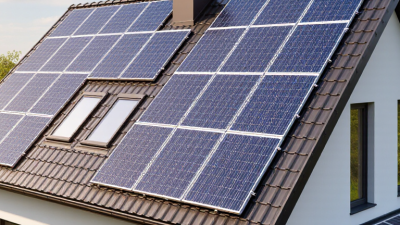
What Is the Best Type of Solar Panel for Home Use?
-

10 Tips for Choosing Solar Panels for Home Use
-
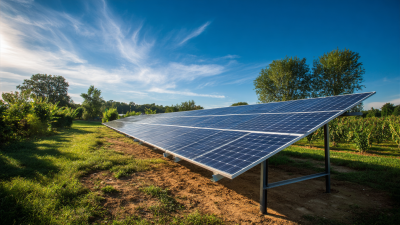
7 Compelling Reasons to Choose the Best Solar Panel for Home Energy Solutions
-

Ultimate Guide to Choosing the Best Solar Energy Panels for Home That Meet Your Technical Needs
-

Unlocking Savings: How Solar Panels for Home Use Can Slash Your Energy Bills Today
-
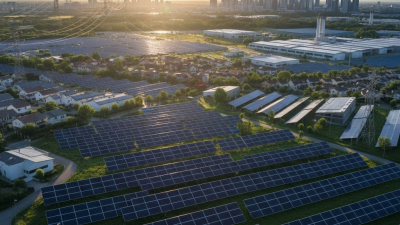
What is a Solar Panel and How Does It Work? A Complete Guide