10 Solar Water Heating System Buying Tips

A solar water heating system can turn sunlight into hot showers, but choosing one is not just a matter of comparing prices. Tank size, roof orientation, local weather, and backup heating all affect how well it performs. In the United States, the Department of Energy estimates that water heating accounts for about 18% of household energy use. That is substantial. A well-matched system may reduce that demand, while a poorly sized one can disappoint on cloudy mornings.

Industry figures show why the technology deserves careful attention. The IEA Solar Heating and Cooling Programme’s Solar Heat Worldwide 2023 report recorded 542 gigawatts-thermal of installed solar-thermal capacity worldwide by the end of 2022. The systems generated an estimated 442 terawatt-hours of heat that year. These global totals show broad adoption, not a guarantee of savings for every home. Details matter. Before buying, compare collector type, storage capacity, freeze protection, warranties, installer experience, and the cost of routine maintenance. Ask for expected performance using your actual location and household hot-water use—not a generic sunny-day estimate. A south-facing roof may help, but shading from a chimney can change the calculation. Pay attention to that small shadow. This guide presents ten practical buying tips to help you assess quotes, spot missing details, and choose a system that fits your home. Some estimates will still be uncertain; weather and daily habits are hard to predict perfectly. A careful comparison is useful, but it is not a crystal ball.
10 Solar Water Heating System Buying Tips

Understand How Solar Water Heating Systems Work

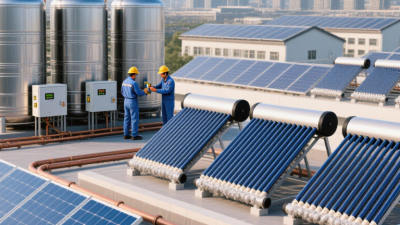
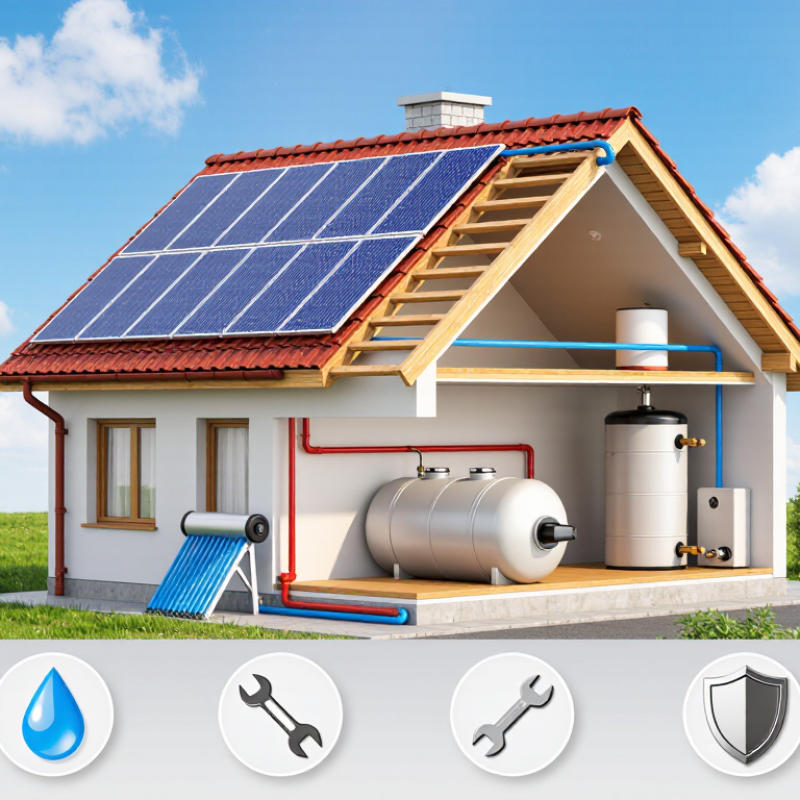
A solar water heating system collects sunlight and uses it to warm water or a separate heat-transfer fluid. Flat panels or evacuated tubes usually sit on a roof, where dark absorber surfaces capture solar energy. Pipes carry the heat toward an insulated storage tank. Simple thermosiphon systems rely on warm fluid rising naturally; pumped systems use a small controller and pump. The pump starts when the collector is hotter than the tank. A sensor makes that decision.

No sun, no heat. On cloudy days, a backup heater may bring stored water to a usable temperature. In an indirect system, antifreeze circulates through the collector and transfers heat to household water through a coil. This can help protect exposed pipes in cold climates. Real installations are less tidy. Roof shade, long pipe runs, and a poorly sized tank can reduce performance, even when the panels look impressive. A mixing valve can also blend hot tank water with cold water before it reaches taps, helping prevent scalding. When comparing systems, ask how they handle freezing weather, overheating, and cloudy periods. Those details matter more than a collector’s appearance. A sunny roof is useful, but it is not the whole system.

Solar Water Heating: Energy Needed to Heat 100 Liters of Water

Heating water to a higher target temperature requires more energy. These values are calculated for 100 liters of water starting at 15°C, using water’s specific heat capacity of 4.186 kJ/kg·°C. They exclude heat loss from the tank and pipes. When comparing systems, consider your household’s hot-water demand, local climate, and storage-tank insulation.

Assess Household Hot Water Needs and Available Installation Space

Before choosing a solar water heating system, track how your household uses hot water for a week. Note shower length, back-to-back showers, laundry cycles, and visiting guests. The U.S. Department of Energy’s Energy Saver guidance gives a collector-area rule of thumb: about 20 square feet for the first two household members, plus 8–14 square feet for each additional person. That is a starting point, not a final design. A family that showers at the same time may need different storage capacity from one with the same headcount but staggered routines. Small details matter.

Then inspect the installation area. Measure the usable roof, check for shade from chimneys or trees, and note which way the roof faces. A clear roof patch at noon can still be shaded in winter. The DOE notes that solar water heating can reduce water-heating bills by 50%–80%, though savings depend on climate, system design, and hot-water use. Ask an installer to assess both the roof and indoor space for a storage tank, pipes, and service access. I would not rely on a roof sketch alone; measurements and a shading check can change the estimate. Allow room for maintenance, too.

10 Solar Water Heating System Buying Tips - Assess Household Hot Water Needs and Available Installation Space

# Buying tip What to assess Practical check Why it matters
1 Measure actual hot water use Record water-heater use, household routines, and high-demand periods for several typical days. Use a water meter or a measured draw-off where practical; note showers, baths, laundry, and dishwashing. Measured demand is a better sizing starting point than household size alone.
2 Account for occupants and routines Consider the number of residents, visiting guests, work or school schedules, and simultaneous hot-water use. Identify the busiest hour and whether several showers or appliances commonly run at once. Peak demand affects storage and backup-heater requirements, not just total daily use.
3 Check the existing water heater Note tank capacity, fuel type, age, condition, and whether the system can be integrated with solar preheating. Photograph the rating plate and ask an installer to confirm compatibility and required controls. Solar systems commonly use storage and auxiliary heating to provide hot water when solar input is insufficient.
4 Estimate usable collector area Measure the unobstructed roof or ground area available for collectors, including access and maintenance clearance. Have the installer provide a scaled layout showing collector dimensions, setbacks, and service access. The required area depends on climate, household demand, collector type, and system design.
5 Evaluate roof direction and tilt Check roof orientation, pitch, structural condition, and whether a suitable ground-mounted location exists. In the Northern Hemisphere, a generally south-facing, unshaded surface is often favorable; a site assessment determines the actual yield. Orientation and tilt influence solar exposure, but local conditions and system design also matter.
6 Check shading throughout the day Look for shade from trees, chimneys, neighboring buildings, and roof features across different seasons. Ask for a shade assessment that considers morning, midday, and afternoon exposure. Obstructions reduce sunlight reaching the collectors and can lower heat output.
7 Confirm roof structure and loading Consider the roof's age, condition, framing, and the added weight of collectors, mounting hardware, and any roof-mounted components. Obtain a structural review when required, especially before installing equipment on an older or repaired roof. Safe attachment and sound roof construction are essential for a durable installation.
8 Map the route to the storage tank Locate the proposed tank and trace the pipe route between it and the collectors. Check for practical access through walls, ceilings, or service spaces, and ask how pipes will be insulated. A feasible, well-insulated pipe route helps limit heat loss and installation complications.
9 Allow space for storage and service Check floor area, doorway access, ventilation needs where applicable, drain access, and room for future maintenance. Confirm the tank's dimensions and filled weight with the installer before choosing its location. A tank must fit safely and remain accessible for inspection and repair.
10 Plan for seasonal variation and backup Review local solar conditions, cold-weather exposure, freeze protection, and the household's need for reliable hot water year-round. Request written estimates of expected performance and details of the auxiliary-heating and freeze-protection approach. Solar heat output varies with weather and season, so system design should address periods of low solar input.

Planning note: Use these checks to prepare for a site assessment. Final collector area, storage capacity, and system configuration should be determined from measured demand, local climate, building conditions, and applicable codes.

Compare System Types, Capacity, and Climate Suitability

Solar water heaters generally use active or passive circulation. Active systems pump fluid between the collector and storage tank, which helps when the tank sits away from the roof. Passive systems rely on natural circulation and have fewer moving parts, but a rooftop tank may not suit every building. Ask how the layout affects maintenance and access. Small details matter.

Climate changes the choice. In sunny, mild regions, a direct system can heat household water efficiently. Where freezing is possible, an indirect system circulates heat-transfer fluid through the collector, reducing freeze risk. Check the system’s stated operating limits, not just local annual sunshine. A shaded roof or several cloudy winter days can reduce output. Backup heating may still be needed.

Size the tank around actual hot-water use, not household size alone. A couple who showers at different times may need less stored water than a family using laundry and showers in the morning. As a rough starting point, review daily usage with a qualified installer, then compare it with the collector area and tank capacity. Too small can mean frequent backup heating; too large can waste space and cost. I would not trust a one-size-fits-all estimate. A site assessment should account for roof direction, shading, pipe length, and seasonal demand.

Evaluate Efficiency, Costs, Installation Requirements, and Warranties

A solar water heating system should be judged by the hot water it can reliably deliver, not just its advertised efficiency. Check the system’s estimated annual output and compare it with your household’s daily use. A family of four with long showers may need a different tank size than a couple in a small home. Numbers matter. Ask how the estimate accounts for cloudy seasons, shading, and your local climate. A spreadsheet can make savings look exact, but actual results depend on weather and habits.

Compare the full installed cost, including the storage tank, controls, plumbing changes, and any backup heater. Then estimate how much conventional water heating you may avoid each year. A simple payback calculation is useful, but it can mislead if energy prices or maintenance costs change. Get a written breakdown, and keep a modest allowance for repairs.

Check roof condition, available sun, pipe routes, and the space needed for equipment before signing. Check the roof. Ask who handles permits and commissioning, and whether the installer tests for leaks and correct temperature settings. Read the warranty carefully: collector, tank, and labor coverage may differ. Confirm who pays for removal or shipping if a part fails, and whether routine maintenance is required to keep coverage valid.

Check Local Regulations, Incentives, Maintenance, and Installer Credentials

Before comparing solar water heating systems, check local building and plumbing requirements. Some areas require permits, inspections, or specific roof and backflow protections. Ask your local building department what applies to your home, and get requirements in writing. Rules change.

Look for current rebates, tax credits, or utility incentives, but verify eligibility directly with the relevant agency. Confirm deadlines, approved equipment criteria, and required paperwork before paying a deposit. An advertised incentive may not fit your project.

Before signing, verify the installer’s relevant licenses, insurance, and training. Ask for recent references and details of similar systems in your climate. Request a written quote that explains equipment sizing, freeze protection, warranties, and who handles permits and inspections. A low price alone tells little.

Maintenance matters. Ask how often collectors, pumps, valves, and fluid levels need checking, and what service calls may cost. Have the installer show you the shutoff points and explain warning signs, such as unusual pressure readings or leaks near the storage tank. I would not assume maintenance is effortless; a missed check can become an expensive surprise. Ask for the schedule in writing.

Top